The environmental toll of armed conflict is neither insignificant nor fleeting: it contaminates water, soil, and air, erodes ecosystems, undermines livelihoods, and burdens public health long after the fighting stops. The damage both mirrors and magnifies humanitarian crises, from Gaza’s mountains of debris to Ukraine’s flood-borne pollutants, to Sudan’s industrial contamination. Compounded by the impacts of the climate crisis, these environmental challenges only deepen the vulnerabilities of those affected by conflict. Understanding and addressing the interwoven impacts of conflict and the environment is essential for global climate, nature, pollution and sustainable development efforts, and to ensure that people can live and thrive in a healthy, secure and resilient environment.
In this post, part of the War, Law and the Environment series, the UNEP Disasters and Conflicts Branch reflects on its decades of work helping countries address these challenges, charting a path from emergency response to long-term recovery. Through science-based assessments, practical guidance, and strategic partnerships, UNEP is equipping states to address the toxic legacies of war, restore ecosystems, and build resilience into the reconstruction process. Recent UN resolutions, including UNEA’s 2024 consensus decision, underscore growing political recognition that protecting the environment in armed conflict is integral to peace and recovery. What emerges is a vision of environmental response not as an afterthought to war, but as a cornerstone of recovery, and an entry point to build back greener, fairer, and stronger in the shadow of destruction.
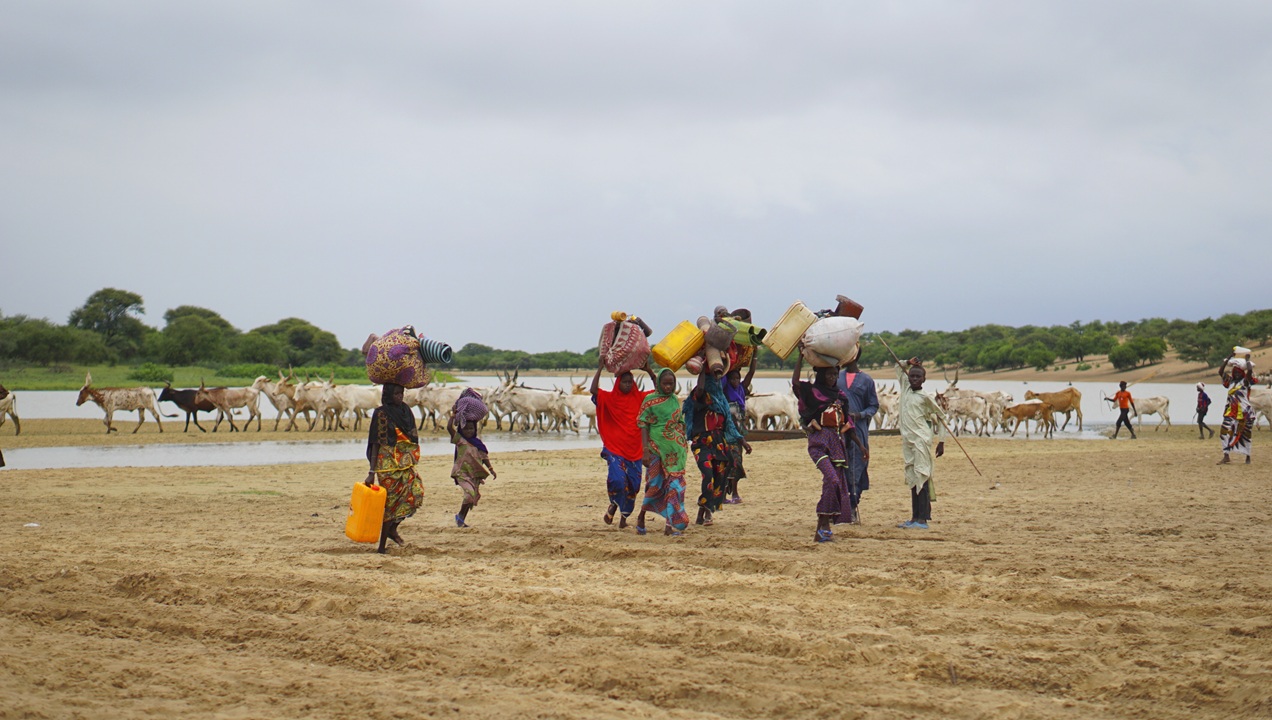
The consequences of armed conflict upon the environment are of far-reaching and critical importance, and require investigation and political prioritization if we are to properly understand their true extent and develop effective, coordinated responses. Armed conflict poses an immediate and potentially lasting threat to the environment, economies, livelihoods and public health. There are potential legacy issues that can have impacts long after the end of wars, such as unexploded ordinance, heavy metals, asbestos, dust, biological wastes and radiological contamination leaching and dispersing through water, air, soil and food systems – impacting humans, ecosystems and biodiversity. Environmental priorities may face setbacks as a result of weakened environmental governance during times of conflict, or as authorities turn to the urgent needs of affected populations. Conflict-driven displacement can exacerbate environmental degradation as displaced populations seek refuge around ecosystems such as forests and lakes and turn to natural resources for food and shelter.
The impacts of conflict-related environmental damage are now also being compounded by the rapidly intensifying climate crisis. As ecosystems are damaged, including by hostilities, climate adaptation becomes more difficult, further compounding the vulnerabilities of conflict-affected communities that are already the most exposed. At the same time, climatic stressors and shocks, environmental degradation and natural resource scarcity can exacerbate the underlying factors – such as social and economic instability – that make it more difficult to mediate tensions and increase the risk of conflict in the first place. Understanding these complex interlinkages is key to developing responses that meet the needs of vulnerable communities.
From recognition to action
While the impacts and correlations between armed conflict and the environment are not always widely understood, contemporary conflict trends and their conspicuous environmental impacts have forced the issue up the political agenda and increased global public awareness.
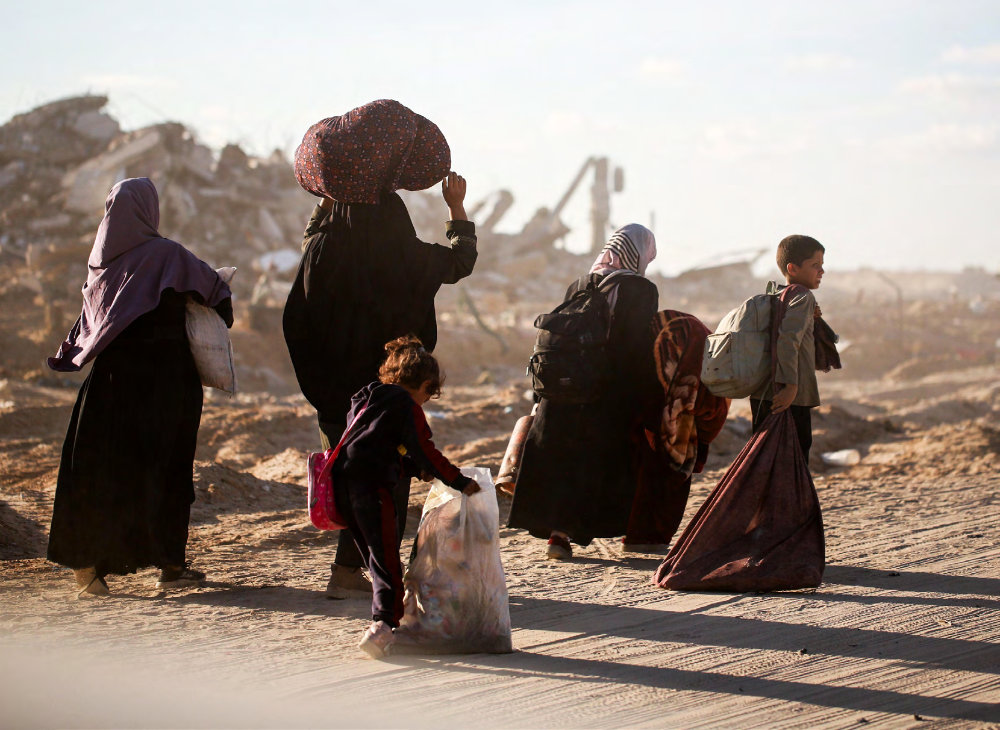
In Gaza, an unprecedented 61 million tonnes of debris have been generated by the conflict. Contained within the debris, unexploded ordinance and toxic contaminants including chemicals from munitions and asbestos, pose a lasting public health and recovery burden. In Ukraine, hundreds of square kilometres of flooding resulting from the Kakhovka dam breach caused widespread damage to ecosystems and biodiversity and dispersed chemical pollutants and other contaminants to the surrounding environment. In Sudan, damage to industrial sites caused by the fighting has polluted air, water and soil, presenting risks to human health, threatening ecosystems and undermining natural resources.
These severe and widely reported environmental harms have raised growing awareness of their far-reaching impacts – affecting climate, biodiversity, pollution, public health, development, and humanitarian efforts. They also underscore the urgent need for coordinated international action to prevent conflict-related environmental damage and to address both their immediate and long-term legacy.
In the context of the United Nations Environment Assembly (UNEA), member states first sought to embed these issues within the intergovernmental environmental process at the Assembly’s second session in 2016, where states agreed to the adoption of resolution 2/15 on the Protection of the Environment in Areas affected by Armed Conflict. That resolution recalled a 1992 General Assembly resolution (47/37), which urged states to ensure compliance with existing international law applicable to the protection of the environment during times of armed conflict. In grounding the issue within the intergovernmental environmental process through UNEA, member states mandated UNEP to use its existing authority and expertise to both continue and enhance effective assistance to countries affected by armed conflict, including post-crisis environmental assessment and recovery.
The following year, member states furthered their concerns on this topic with the adoption of UNEA resolution 3/1 – calling upon UNEP to extend effective support to countries dealing with pollution mitigation in areas affected by armed conflict, including through post-crisis environmental assessment and recovery.
While those formative commitments were a welcome and necessary step towards addressing the environmental impacts of armed conflict – furnishing UNEP with focused mandates to enhance support in affected regions – the intervening period has seen no diminution in the issues those resolutions sought to address. As outlined above, conflicts and their environmental consequences abound, as do the devastating human impacts that closely accompany environmental destruction.
It is in this context that countries sought to preserve and consolidate a central focus on the environmental impacts of conflict with the adoption of resolution 6/12 at UNEA’s sixth session in 2024. Adopted as a consensus decision, resolution 6/12 moved the agenda forward in providing focused guidance for UNEP to provide its support to affected countries through the development of technical guidance on the collection of data and emerging practices on environmental damage associated with armed conflict.
Through the development of this workstream, countries will have a clearer picture of environmental impacts across ecosystems, sectors and critical infrastructure, along with approaches and interventions to better inform decision-making on the prevention, mitigation and recovery of conflict-related environmental damage. The resolution also requested that UNEP strengthen collaboration with UN entities and relevant stakeholders in the delivery of environmental assistance and recovery in areas affected by armed conflict and include this work within its 2026-2029 strategy.
Science, guidance, and partnerships
UNEP has progressed work under resolution 6/12 and has continued to deliver environmental assistance and recovery throughout an exceptionally severe and intensive period in the history of modern conflict. We have done so, in line with the operative paragraphs of the resolution, by focusing on three core areas of delivery: science, guidance and partnerships.
- Science: As the global authority on the environment, UNEP provides science-based analysis and evidence to help countries deal with environmental damage during and after war. Such analysis and evidence are provided in the form of comprehensive environmental assessments undertaken at the request of affected countries, serving as a baseline for informed remediation and recovery approaches. Recent assessments of the environmental impacts of contemporary conflicts include the October 2022 preliminary review of the environmental impact of the conflict in Ukraine, the 2023 Kakhovka Dam Breach Environmental Assessment, the June 2024 preliminary assessment of the environmental impact of the conflict in Gaza, and the 2025 Second Assessment of the Environmental Impact of the Escalation of Conflict in the Gaza Strip.
- Guidance: After the assessments, comes the recommendations and recovery efforts. These recommendations bridge from assessing impacts to solutions. UNEP provides practical guidance to support country efforts to effectively assess and address priority areas for intervention during and after conflict. In Ukraine, recommendations emerging from assessments have led to the development of sustainable energy, wastewater management and transportation infrastructure, and work towards the establishment of an environmental protection authority in Ukraine for a green recovery consistent with EU environmental standards. In Gaza, UNEP’s assessment has led to the establishment of the UNDP/UNEP co-chaired Debris Management Working Group (DMG), which is coordinating international efforts to develop a comprehensive, circularity-focused debris management plan – including guidelines, training, and information systems – to support safe debris clearance and management and enable humanitarian access, mobility, and restoration of essential services and infrastructure. Building upon the outcomes of resolution 6/12, within available resources, UNEP has begun work on the development of technical guidance on emerging practices and collection of data on environmental damage with the aim of providing actionable guidance on priority, time-sensitive areas for assessment and intervention.
- Partnerships: UNEP works with partners to provide tailored support in each conflict zone, recognizing the deep and broad reach of our partners in fragile and conflict-affected regions. In Iraq, we have worked with IOM on post-conflict debris clearance and circular recycling; in Ukraine, UNEP is working with a broad range of international partners to unlock the green recovery; in Gaza, our work with UNDP is charting a course to deal with the debris crisis; and our long-standing partnership with OCHA has supported rapid and effective environmental emergency responses for over 30 years, utilizing UNEP’s technical expertise and OCHA’s humanitarian coordination mandate. These partnerships are the backbone of our delivery model, enabling us to reach the hardest-to-reach areas during times of crisis and extend effective support to affected countries.
In the deployment of science and effective guidance and partnerships, UNEP employs a continuum approach in its support to affected countries – recognizing that response and recovery is not the end game, but an entry-point to build back better and create an enabling environment for a greener and more resilient future. That means supporting countries to strengthen anticipatory action, preparedness and resilience building in advance of crises through Disaster Risk Reduction (DRR) approaches, but also providing countries with the scientific and technical support needed to deal with the toxic legacy of war and effect a long-term sustainable recovery.
Through focusing on these core pillars of delivery and the foundations established over 30 years of assistance to crisis-affected regions, UNEP has been able to provide effective support throughout an exceptionally tumultuous period and is responding to the call from member states to enhance technical guidance and data collection for informed responses. The enhanced mandate and practical outcomes represented in resolution 6/12 are an encouraging sign of strong political will to grapple with the environmental impacts of conflict, as is the increasing interest and prioritization by member states on the peace and security dimensions of climate change and the environment.
But the current state of play is by no means an end point: a great deal more needs to be done to build upon political will and ensure that current, deleterious trends in the sphere of international peace and security are reversed, and that the full extent of their impact upon global climate, nature, pollution and development goals is properly understood and contended with.
Building coalitions for a resilient future
In pursuit of continued political prioritization and greater understanding of these issues, UNEP will continue to advocate through the multilateral environmental process and work to enhance global awareness through effective public information efforts. Building broad coalitions will also be essential to leverage both the scientific and technical capacity, and operational reach of respective stakeholders, including member states, the UN system, IGOs, the humanitarian and development sectors, scientific and research institutes and academia.
Country-level partnerships are an area of particular importance, recognizing the political and logistical reach of stakeholders with established country presence, as is the role of local organizations and citizens in monitoring, reporting and responding to environmental impacts of conflict. In cultivating and expanding such coalitions, we need to ensure that our assessments and evidence reach relevant stakeholders with the information they need for effective action. It is only through consistent and strengthened stakeholder engagement that we can better understand partners’ needs and tailor our resources for maximum impact.
Whilst the prevention of conflict-related environmental damage remains an urgent priority, there is much in the evolving field of conflict-related environmental assistance that reflects a positive trajectory: the effectiveness of existing partnerships in the delivery of environmental assistance and the promise they hold to further enhance science-based, systematic response and recovery approaches in the future; the increasing awareness of the important linkages between climate change, environmental degradation, peace and security at the international and political level, including at the three climate, biodiversity and land COPs and at relevant meetings of the Security Council; and the unfolding work emerging from resolution 6/12, with further opportunity for in-depth consultations with member states, partners and stakeholders at UNEA7, as we seek to refine and tailor our tools for the greatest value and impact.
As we continue to develop this work, we invite all relevant stakeholders to consider approaches for the prevention of conflict-related environmental impacts and for integrating environmental assistance, recovery and resilience approaches into policies, programming and funding, in order that countries and communities may enter crises better prepared, and emerge better equipped for a more resilient, secure and healthy future.
Learn more about UNEP’s work supporting countries to prepare, respond and recover from the environmental impacts of war here.
See also:
- Iryna Rekrut, Environmental destruction in conflict: broadening accountability in war, March 20, 2025
- Sarah Gale, Climate and environment considerations for weapon bearers in armed conflict, September 22, 2022
- Bonnie Docherty, Mine action in action: influencing law and policy on toxic remnants of war, December 21, 2021
- Alex Frost, Mitigating the environmental impacts of explosive ordnance and land release, December 16, 2021
- Doug Weir, Stavros-Evdokimos Pantazopoulos, If not us, who? How States – with the help of civil society – can implement the legal framework protecting the environment from armed conflict, June 10, 2021
- Wim Zwijnenburg, Data-driven environmental decision-making and action in armed conflict, June 1, 2021
- Ambassador Marja Lehto, Overcoming the disconnect: environmental protection and armed conflicts, May 27, 2021
- Vanessa Murphy, Helen Obregón, Fighting without a Planet B: how IHL protects the natural environment in armed conflict, May 25, 2021