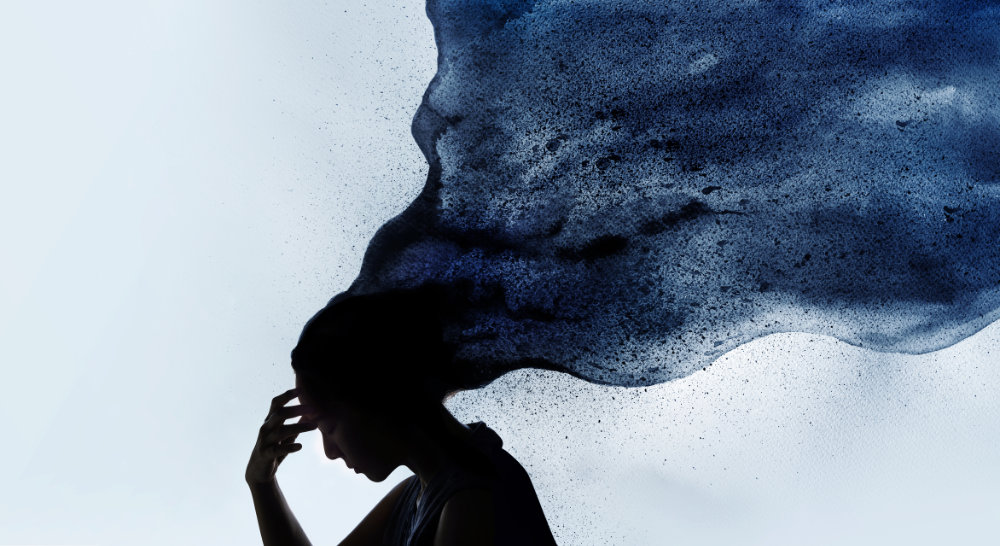
The impact of armed conflict on mental health is increasingly evident. According to data from the World Health Organization, one in five people who have experienced armed conflict in the last ten years suffers from some form of mental health condition. With an estimated two billion people living in places affected by war, the scale of the problem is staggering. Yet, despite its magnitude, the legal protection of mental health during hostilities remains largely overlooked by both academics and practitioners.
In this post, part of the Emerging Voices series, Giulia Bosi, Postdoctoral Researcher in International Law at Scuola Superiore Sant’Anna in Pisa, Italy, examines whether and how international humanitarian law (IHL) seeks to safeguard mental health. Her analysis shows that the drafters of IHL treaties were, at least to some extent, aware of the importance of mental health, that several IHL norms aim to protect it, and that the growing recognition of mental health as an integral part of health is shaping contemporary interpretations of IHL.
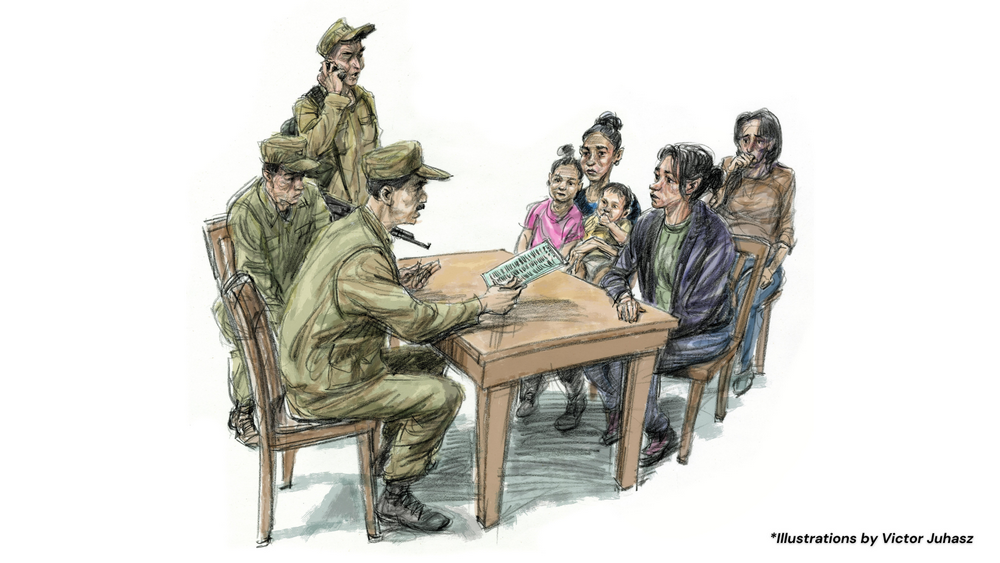
Imagine the constant hum of drones overhead, each one a reminder that danger can come at any moment. Imagine packing what little you can carry and fleeing again and again, never sure where safety lies. Imagine the sound of explosions in the distance – or too close – and the faces of those you love disappearing in the chaos. For millions of people living through war, these are not abstract fears, but daily realities. The wounds they leave are not always visible: sleeplessness, anxiety, despair, the quiet unraveling of the mind.
International humanitarian law, the body of law meant to regulate the conduct of hostilities and limit the suffering of war, compels us to ask: what protection, if any, does it offer to mental health?
Beyond the norms relating to persons with mental health conditions and psychosocial disabilities,[1] there are six other main ways IHL seeks to safeguard mental health in armed conflict:
- IHL requires parties to a conflict to refrain from actions that endanger the mental health of persons under the power of the adverse party;
- IHL protects persons who, as a result of psychological trauma, require medical assistance and care;
- IHL prohibits psychological torture and other forms of cruel, inhuman or degrading treatment;
- IHL limits the types of mental harm that parties to a conflict may inflict on civilians;
- IHL prohibits the use of weapons and methods of warfare that cause unnecessary mental suffering;
- IHL protects the medical and humanitarian personnel providing mental health and psychosocial support to affected populations.
1. Protection of the mental health of persons who are under the power of the adverse party
The few IHL provisions that explicitly mention “mental health” often have one thing in common: they refer to the mental health of persons under the power of the adverse party. It is the case, for instance, of Article 49 of the Third Geneva Convention, which reads as follows: “the Detaining Power may utilise the labour of prisoners of war who are physically fit […] with a view particularly to maintaining them in a good state of physical and mental health”. The 2020 ICRC Commentary on this treaty explains that this provision is based on the awareness of states that boredom has a negative effect on prisoners’ mental health.
Another example is Article 11 of the First Additional Protocol, according to which “the physical or mental health and integrity of persons who are in the power of the adverse Party […] shall not be endangered by any unjustified act or omission”. The 1987 ICRC Commentary on this treaty clarifies that this article applies, for instance, to medical experiments or interventions that may disturb a person’s mental equilibrium.
2. Protection of persons who, because of psychological trauma, need medical assistance and care
Another way in which IHL safeguards mental health is by protecting persons who, “because of trauma, […] are in need of medical assistance and care” (Article 8, First Additional Protocol). These persons would fall within the notion of wounded and sick. In fact, we argue that the “trauma” mentioned in the treaties is a psychological trauma and not, or not only, a physical one. A few references in the 2016 ICRC Commentary to the First Geneva Convention support this conclusion.
This Commentary mentions “combat-related stress and mental disorders” as examples of trauma in dealing with Article 24 (protection of permanent personnel). It also refers to the prevention of “psychological trauma” in dealing with Article 19 (protection of medical units and establishment). In summary, the expression “trauma” in the IHL treaties seems to refer (if not only, at least also) to psychological trauma. As a result, persons who are psychologically traumatized and require medical care should be considered as belonging to the category of the wounded and sick (even if they do not subsequently develop a mental health condition). As such, they should receive the corresponding strengthened protection.
3. Prohibition of psychological torture and other forms of ill-treatment
The prohibition of torture is considered a norm of customary IHL and regarded as a jus cogens norm of international law. The infliction of severe pain or suffering that characterises torture and ill-treatment can be physical but also mental. The authoritative definition of torture included in the Convention Against Torture elucidates this in its first article. The UN Special Rapporteur on Torture published a ground-breaking report on psychological torture in 2020.
Within the IHL realm, the International Criminal Tribunal for the former Yugoslavia (‘ICTY’) observed that the fact that torture can be “physical or mental” is one of the elements of the definition of torture which is “uncontentious” and “accepted as representing the status of customary international law” (para 483). In general, it is considered that psychological torture encompasses methods such as sleep or sensory deprivation, prolonged exposure to loud music or bright lights, mock executions, extended isolation, death threats, provocation of personal or cultural phobias, and sexual or religious humiliation.
4. Limits on the types of mental harm that Parties to the conflict can inflict on civilians in their conduct of hostilities
IHL prohibits what can be defined as intentional mental harm since acts or threats of violence, whose primary purpose is to spread terror among the civilian population in the conduct of hostilities, are forbidden. There is no definition of “terror” in IHL treaties, but it is reasonable to conclude that the notion of terror includes mental harm, as suggested by Lieblich. A few judgments of the ICTY included charges of violating the IHL prohibition on terror, such as the Karadžić case and the Galić case.
Whether incidental mental harm is also prohibited under IHL is more uncertain. According to the IHL principle of proportionality, attacks against military objectives that are “expected to cause incidental loss of civilian life, injury to civilians, damage to civilian objects, or a combination thereof, which would be excessive in relation to the concrete and direct military advantage anticipated” are prohibited. The fact that “injuries” refers to physical injuries is self-evident. What remains to be explored is whether those injuries can also be mental.
Although the majority of experts assert that unintended mental harm is excluded from the proportionality analysis, as sustained by Moussa (p. 71), others argue there is no reason in principle not to consider it (see, e.g., Gillard, p. 41; Robinson and Nohle, p. 129; ICRC 2018 International Expert Meeting Report on the Principle of Proportionality, p. 34; ICRC 2019 Report on IHL and the Challenges of Contemporary Armed Conflicts, p. 17). There appears to be no relevant jurisprudence on the point. In practice, states have been reluctant to consider mental harm since it would pose a notable hurdle for those making decisions on targets.
5. The prohibition of weapons or methods of warfare that cause unnecessary mental suffering
Another rule that could be seen as incorporating mental health considerations is Article 35 of the First Additional Protocol, which prohibits weapons or methods of warfare that cause superfluous injuries or unnecessary suffering. This rule can be seen as protecting mental health, as the “suffering” it refers to could arguably encompass psychological as well as physical harm. The ICRC Commentary to the First Additional Protocol (para 1426) notes that the expression “superfluous injury and unnecessary suffering” was chosen as the favourite translation of the French “maux superflus”, which includes both physical and moral suffering.
This broad interpretation – according to which “suffering” encompasses both the physical and psychological impact of weapons – appears to be widely accepted among experts. However, the concept of unnecessary suffering remains somewhat unclear and challenging to implement when the legality of weapons must be evaluated, as contended by Verlinden. Nevertheless, it is worth highlighting as one of the ways in which IHL pays attention to mental health. Moreover, considering mental suffering within the notion of unnecessary suffering could be especially useful in assessing current and future weapons affecting mental states.
6. Protection of medical and humanitarian personnel who provide mental health and psychosocial support
Psychiatrists and psychologists may be considered medical personnel under IHL, provided that the requirements associated with this category of protection are met. The medical purposes to which medical personnel must be assigned comprehend not only the “diagnosis” and “treatment” of diseases (including mental health conditions), but also their “prevention”.
The 2016 ICRC Commentary to the First Geneva Convention explicitly states this, highlighting that “[t]he activities of psychologists involved in the prevention of trauma, such as combat-related stress and mental disorders, can also fall within the term ‘prevention of disease’” (para 1958). If psychiatrists and psychologists do not possess all the requirements to be classified as medical personnel, they are protected under IHL as civilians.
Humanitarian professionals working in the field of mental health also generally enjoy protection under IHL as civilians. This general protection is then strengthened by specific IHL rules related to a) the possibility for certain humanitarian organizations to use the red cross/red crescent/red crystal emblems; and b) the protection of humanitarian personnel taking part in relief operations, which, according to Article 71 of the First Additional Protocol, must be respected and protected.
Conclusion
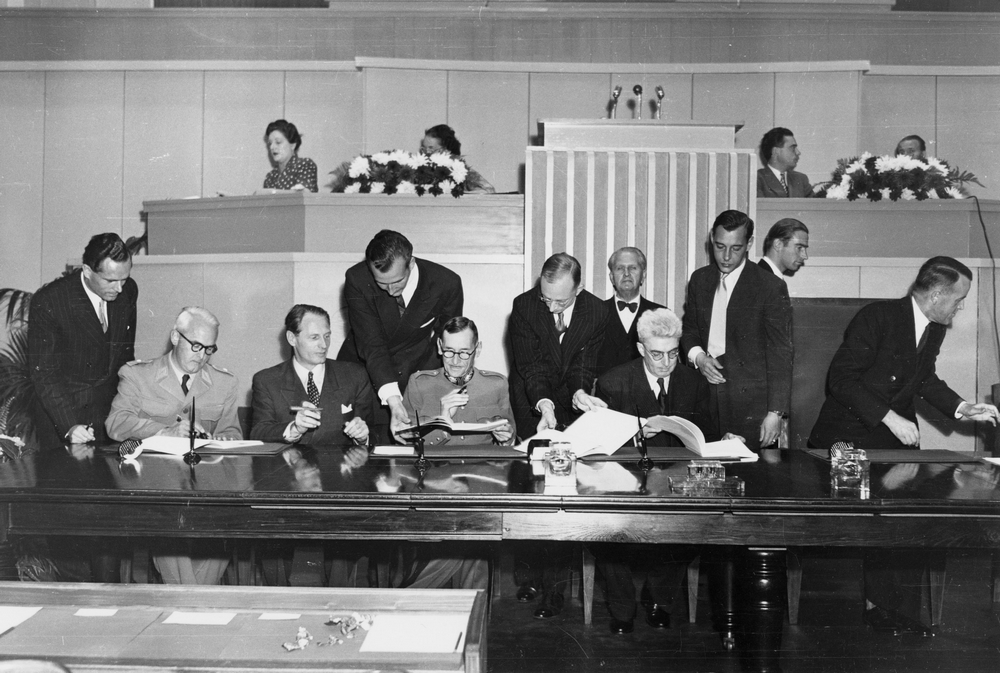
Taken together, the findings above show that mental health has long been present – if often understated – within the framework of international humanitarian law, and that its relevance continues to grow as our understanding of mental well-being deepens. Three key results emerge from the analysis above:
First, awareness. The drafters of IHL treaties were aware, at least to some extent, of the importance of mental health, as evidenced by its explicit mention in the provisions concerning prisoners of war. This is not to suggest that drafters of IHL treaties shared our contemporary conception of mental health, nor that those norms provided a comprehensive protection. Rather, this inclusion is remarkable given the relatively limited recognition of mental health at the time these treaties were drafted.
Second, prevention. IHL norms not only consider mental health in terms of treatment, with norms that recognize specific protections for persons with mental health conditions and psychosocial disabilities, but also in terms of prevention, with norms aiming to preserve mental health. This is exemplified by IHL prohibitions on psychological torture and limitations on the mental harm that may be inflicted on the population.
Third, interpretation. The increasing recognition of mental health as an integral part of health and the growing acknowledgment of the mental distress caused by conflict can influence the interpretation of IHL, making it more sensitive to mental health issues. By way of illustration, interpretations of IHL norms that take into account the impact of conflict on mental health have been suggested in connection with the rule on proportionality in attack.
Further research on IHL and mental health is needed. Our list does not pretend to be exhaustive. For instance, it would be worth exploring the IHL rules protecting family links and aiming at ensuring that people do not go missing, as they could also be seen as key in preventing mental suffering.
Invisible wounds are no less harmful than visible ones. Recognizing this, academics and practitioners should continue to examine how law can not only protect lives, but also safeguard minds – ensuring that the humanitarian promise of IHL extends fully to mental health.
Author’s note: This post draws on an article published by the Journal of International Humanitarian Legal Studies: Giulia Bosi, ‘The Protection of Mental Health under International Humanitarian Law’, Journal of International Humanitarian Legal Studies, Advance Articles (2025), pp. 1-33.
References
[1] In this post, the author discusses six main ways IHL aims to preserve mental health, focusing on mental health in general, rather than on persons with mental health conditions and psychosocial disabilities. While the IHL rules protecting such individuals could arguably be added to the six-point list made below, the protection of persons with disabilities (including psychosocial disabilities) in armed conflict has already been the subject of dedicated scholarly analysis (see, e.g., Priddy, Mardini, and Breitegger). Accordingly, this post concentrates on other IHL provisions that have received comparatively less attention in the literature.
Other recent posts from Emerging Voices:
- Maria Haas, How AI learns, and what it misses: why data selection matters in humanitarian action, August 14, 2025
- Ayan Abdirashid Ali, Verses of mercy: how Somali oral traditions can mitigate conflict and support IHL, June 5, 2025
- Tadesse Kebebew, The imperative to protect water and water systems during armed conflict, April 24, 2025
- Goran Sandić, Addressing landmine pollution: how the ‘polluter pays’ principle can help, April 17, 2025
- Iryna Rekrut, Environmental destruction in conflict: broadening accountability in war, March 20, 2025
- Khang Phan, Thao Nguyen, Hospitals under fire: legal and practical challenges to strengthened protection, March 6, 2025