Across Africa, norms regulating the conduct of hostilities long predate the codification of modern international humanitarian law (IHL). The ICRC Tool on African traditions and the preservation of humanity in warfare highlights how many African societies developed rules limiting violence, protecting civilians, and preserving human dignity during conflict. These traditions resonate strongly with contemporary IHL principles and offer important insights for current efforts to protect children affected by armed conflict. At a time when children continue to face killing and maiming, attacks on schools and hospitals, recruitment, displacement, and profound psychological harm, grounding humanitarian protection in both legal obligations and culturally rooted values can strengthen efforts to uphold humanity during war.
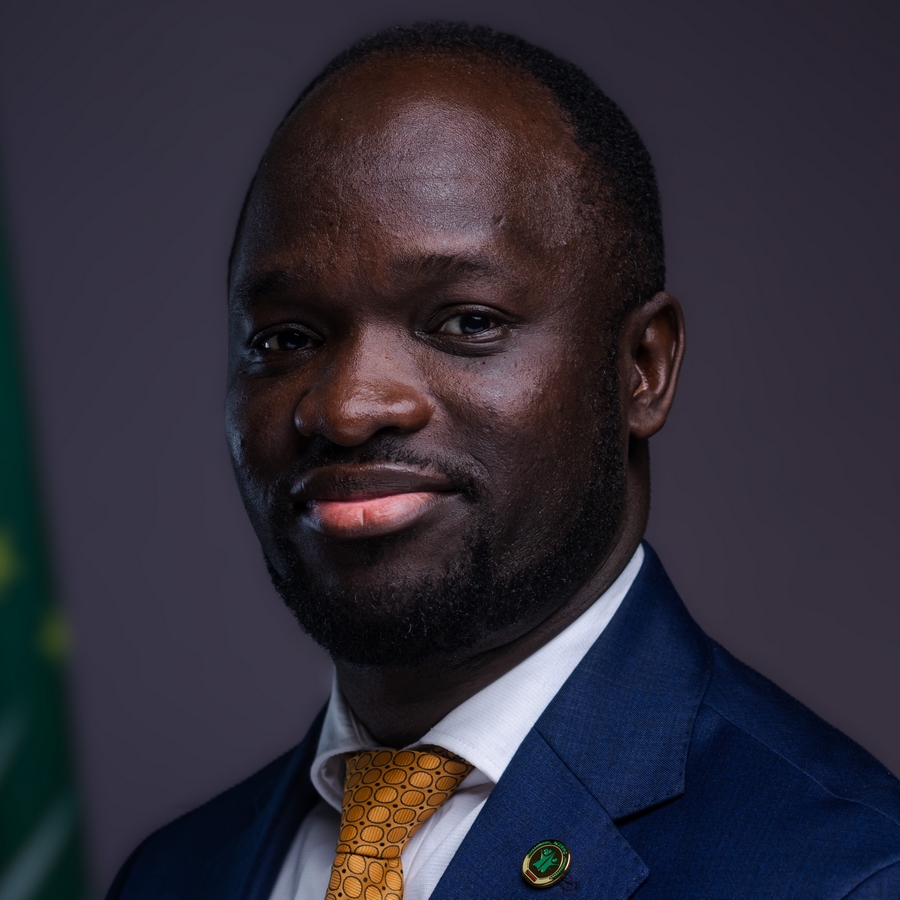
In this post, Professor Robert Doya Nanima, Member of the African Committee of Experts on the Rights and Welfare of the Child, and Special Rapporteur on Children Affected by Armed Conflict, reflects on the relevance of the ICRC Tool through the lens of the African Charter on the Rights and Welfare of the Child. Drawing connections between African traditions, IHL, and African Union frameworks such as Agenda 2040 and Agenda 2063, he argues that the protection of children in conflict requires breaking down institutional silos and placing children at the center of humanitarian action.
The African Charter on the Rights and Welfare of the Child (African Children’s Charter) recognizes in Article 22 that international humanitarian law is central to protecting children affected by armed conflict. The Charter binds almost all states in Africa (52 states). This raises an important question: why does a human rights instrument place such emphasis on IHL?
The answer lies in the need to ensure the protection available to children in situations where both bodies of law apply. In contexts of armed conflict, the guiding principle should be clear: the legal frameworks must be read together. The recognition of IHL within the Charter reflects an understanding that protecting children during war requires the complementary application of both international human rights law and humanitarian law. The African Committee’s General Comment on Children in armed conflict reaffirms this complementary approach to IHRL and IHL on child protection – including affirming that the best interests of the child continues to apply in armed conflict-related decision making.
The ICRC Tool on African traditions and the preservation of humanity in warfare reinforces this relationship. It demonstrates that humane conduct in war is deeply rooted in African history and that many indigenous cultural norms and customary practices reflect principles now associated with modern IHL.
African traditions and the principle of distinction
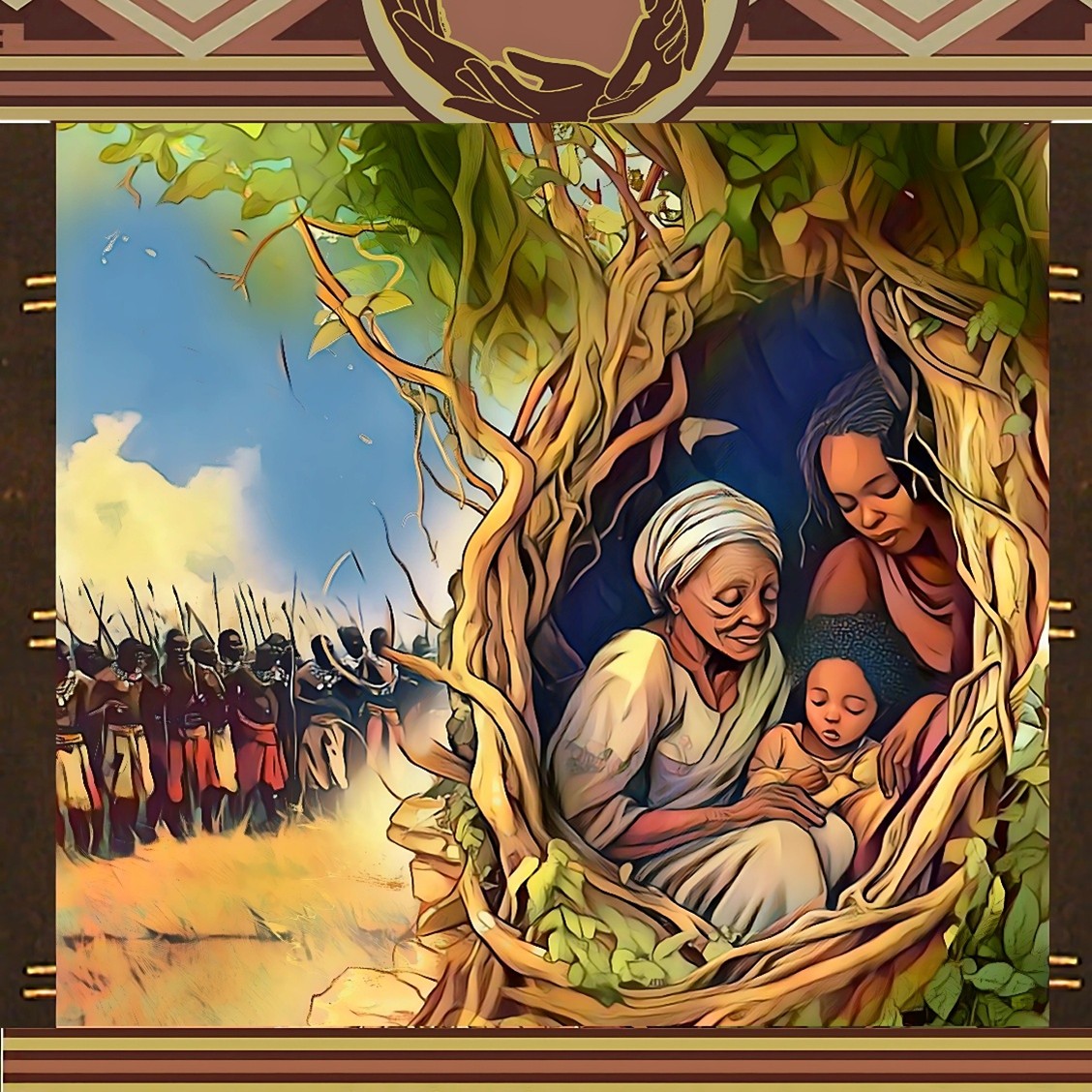
One of the Tool’s most significant contributions is its illustration of how African traditions recognized the distinction between warriors and civilians. Historically, many conflicts were fought away from villages, with rules limiting harm to those not participating in hostilities. This resonates strongly with the contemporary IHL principle of distinction.
For children, this principle carries profound implications. The right to life, survival, and development under the African Children’s Charter requires more than physical survival. It calls for the holistic development of children, including access to education, health care, play, culture, and community life, even in times of conflict.
The erosion of the principle of distinction is reflected in some of the grave violations committed against children today, including unlawful attacks on schools and hospitals and the killing and maiming of children. In Africa, the impacts of conflict on children also include harms that are often less visible, such as child marriage, trauma, and long-term mental health consequences.
Children themselves consistently remind policymakers and humanitarian actors what is at stake. During continental conferences on children affected by armed conflict held in Addis Ababa, Nairobi, and Banjul, children repeatedly emphasized one simple message: stop the wars so that they can play again.
Humane treatment and the best interests of the child
The Tool also highlights traditions requiring humane treatment of wounded enemies and prohibiting attacks against those who surrender or are defenseless. These principles remain deeply relevant where children are associated with armed forces or armed groups, or when they are captured by adversary forces.
In such situations, humane treatment must be guided by the best interests of the child – a legal obligation under Article 4 of the African Children’s Charter, and Article 3 of the Convention on the Rights of the Child. This extends beyond physical protection to emotional and psychological recovery, including through disarmament, demobilization, and reintegration (DDR) processes.
The African Committee of Experts on the Rights and Welfare of the Child has worked closely with the African Union Peace and Security Council to promote child protection officers within peace support operations. These actors play a critical role in receiving children separated from armed forces and supporting reintegration efforts. At the national level, training programmes for armed forces increasingly seek to mainstream child protection within military operations.
The principle of humane treatment also informs approaches to detention. Children must only be detained as a measure of last resort and for the shortest appropriate period of time. This reflects not only legal obligations, but also longstanding African values recognizing that raising a child is a collective responsibility shared by the community.
Linking African traditions to Agenda 2040 and Agenda 2063
The relevance of the Tool extends beyond humanitarian law into broader African Union frameworks. Agenda 2063 envisions an Africa whose development is people-driven and centered on women, youth, and children. Yet meaningful development cannot occur where conflict continues unchecked.
Agenda 2040, launched following the African Committee’s study on the impact of conflicts and crises on children in Africa, reinforces this connection. Its ninth aspiration envisages that every child should be free from the impact of armed conflict, disasters, and emergency situations.
Importantly, Agenda 2040 recognizes that child protection must be integrated into military operations themselves. It calls for armed forces deployed during hostilities to receive specialized training on identifying children in conflict zones, preventing recruitment and exploitation, and establishing referral and handover mechanisms. This reinforces that the protection of children is not solely the domain of human rights law, but also an essential component of IHL implementation. The ICRC has made similar recommendations, and called for urgent mainstreaming of child protection in military operations.
Moving from principles to practice
The ICRC Tool has significant potential to strengthen the protection of children affected by armed conflict in Africa.
First, it grounds humanitarian norms within African historical narratives and traditions, helping reinforce the legitimacy and relevance of IHL across diverse contexts. This is particularly significant in light of Article 46 of the African Charter on the Rights and Welfare of the Child, which allows the African Committee of Experts on the Rights and Welfare of the Child to draw inspiration from international law, African values, and African traditions in promoting and protecting children’s rights. In this regard, the ICRC Tool’s emphasis on the connections between African traditions and humanitarian law reinforces the Committee’s ability to draw on these traditions and values in its work on children affected by armed conflict.
Second, it supports stronger protection standards for children as a particularly vulnerable group in situations of armed conflict, tension, and violence. Realizing this potential requires action across institutions and sectors. Child protection should not remain confined within institutional silos. Instead, it should shape initiatives across peace and security, humanitarian response, human rights monitoring, and military training.
There is also a need to further develop training modules, policy guidance, and knowledge products that draw on African traditions and values to strengthen the implementation of IHL in practice. This should include the development of child-friendly resources that make these principles accessible to younger audiences, including educational and storytelling initiatives that help children engage with African traditions and humanitarian values in age-appropriate ways. Expanding translations of the Tool into African languages would also improve accessibility and visibility.
Reaffirming humanity through African values
The significance of this Tool extends beyond legal protection. It offers a pathway toward healing, dignity, and the reaffirmation of shared humanity during conflict.
By highlighting African traditions that sought to limit suffering and preserve community even during warfare, the Tool reminds us that humanity in war is neither foreign nor new. These values have deep roots across the continent.
For states, humanitarian actors, peace operations, and communities alike, the challenge is to ensure that these values continue to inform responses to contemporary armed conflict. Protecting children affected by war requires not only legal compliance, but a sustained moral and political commitment to the dignity, welfare, and future of every child.
Stakeholders should work to mainstream African values and norms during warfare to ensure the protection of humanity by armed actors, peace support operations, and other humanitarian actors. This requires embedding child protection and humanitarian principles across institutions, military operations, peace support efforts, and humanitarian responses alike.
Promoting these African values of humanity can help foster a future in which children affected by conflict are able not only to survive, but also to thrive and participate fully in their communities.
See also
- Sara Aleisseh, Life teaches before school does: the invisible curriculum of the super child, June 4, 2026
- Timothy P. Williams, Alexandra Jackson and Vanessa Murphy, Beyond the rubble: eight ways urban warfare affects children, August 22, 2024
- Roxana Radu, Eugenia Olliaro, Not child’s play: protecting children’s data in humanitarian AI ecosystems, December 14, 2023
- Paul Reavley, Bombs & blast waves: Why children in conflict need special care, September 13, 2018