

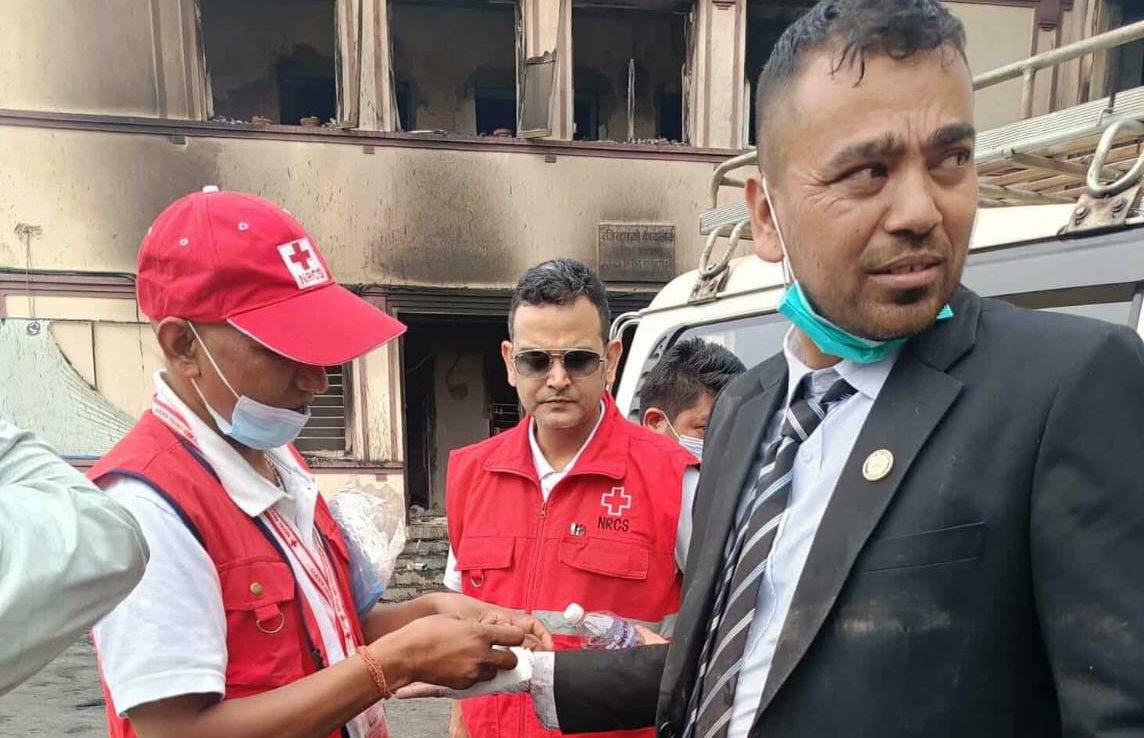
Recognizing the importance of being prepared for potential emergencies, the Nepal Red Cross Society (NRCS) and the International Committee of the Red Cross (ICRC) jointly organized a four-day intensive workshop on Emergency Preparedness and Response. Held in Kathmandu, Nepal, from February 17 to 20, 2026, the workshop aimed to strengthen NRCS’s institutional readiness, coordination mechanisms, and operational capacities to respond effectively and safely to humanitarian needs during crises.
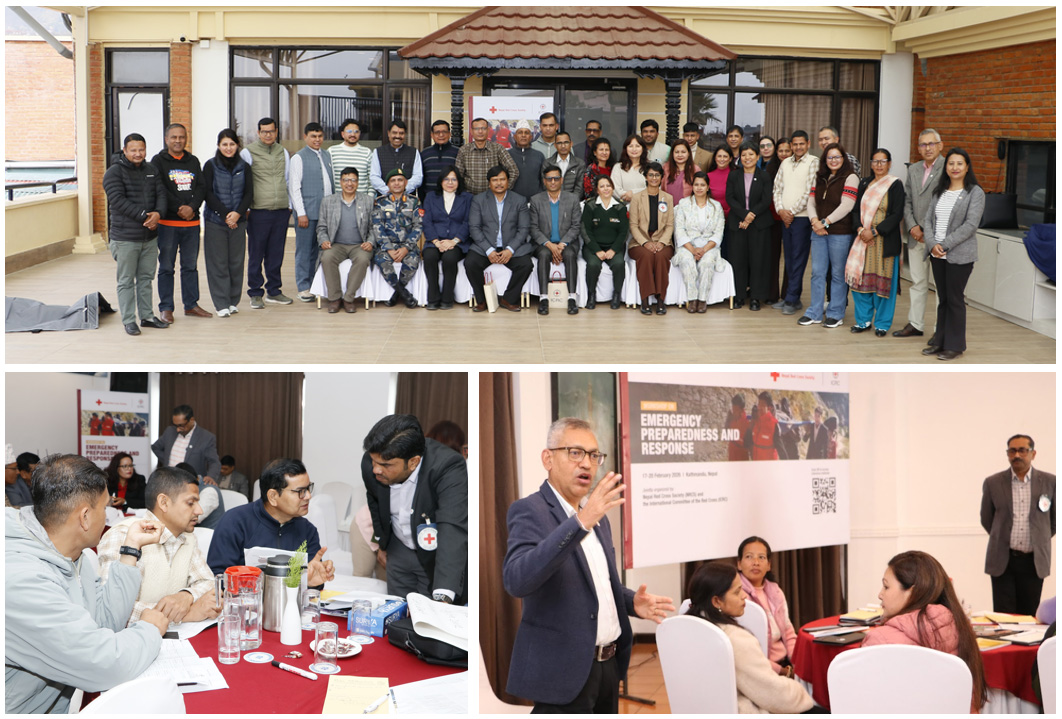
A total of 24 NRCS staff members (11 women and 13 men) from various branches and the National Headquarters participated in the workshop. Resource persons included experts from the ICRC and NRCS staff with prior experience in emergency preparedness and response. The sessions covered a range of topics, including the Fundamental Principles of the Red Cross and Red Crescent Movement, Safe Humanitarian Access, Restoring Family Links, Dignified Management of the Deceased and First Aid services.
The workshop utilized a participatory approach, combining theoretical sessions with practical exercises such as scenario analysis and group work. Structured discussions encouraged participants, representing diverse geographic and cultural backgrounds, to share their experiences and insights while also contributing to the institutional knowledge base.
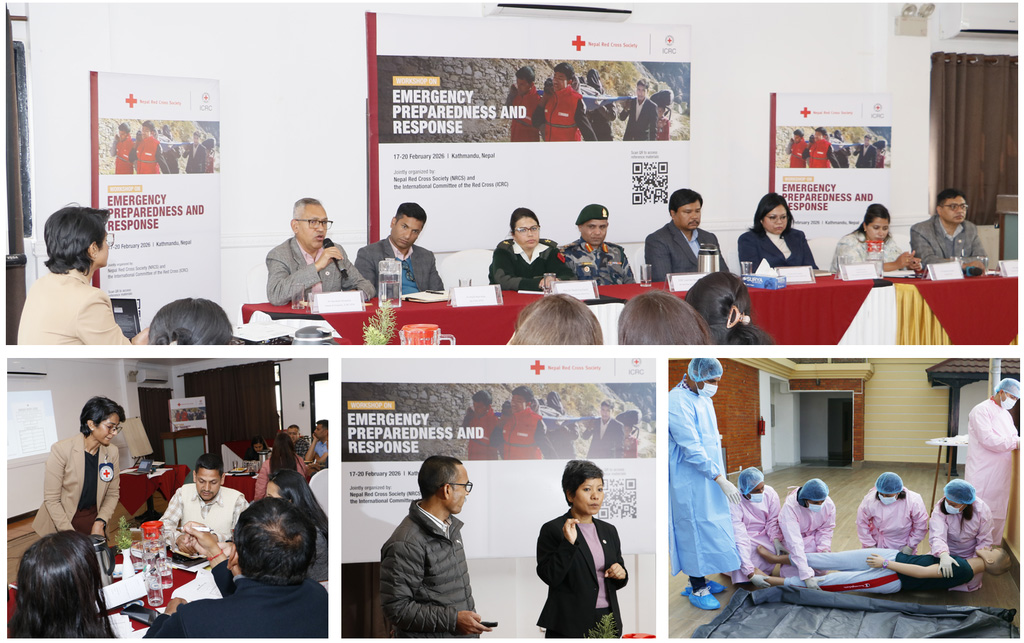
Adding further depth to the learning process, discussions along with interactive sessions with NRCS, ICRC and the International Federation of the Red Cross and Red Crescent (IFRC) senior representatives, provided both valuable perspectives and lessons from practical experience. A panel discussion on Dignified Management of the Deceased and Restoring Family Links, included representatives from the Kathmandu District Administration Office, Directorate of Disaster Management of Nepal Army, Armed Police Force, Disaster Management Division of Nepal Police, Department of Forensic Medicine at Institute of Medicine, Medico Legal Society of Nepal, NRCS and the ICRC. The discussions addressed issues of missing and deceased individuals during humanitarian crises and facilitated the sharing of key information and practical recommendations. It aimed to equip participants for effective emergency response while supporting the national coordination mechanism.
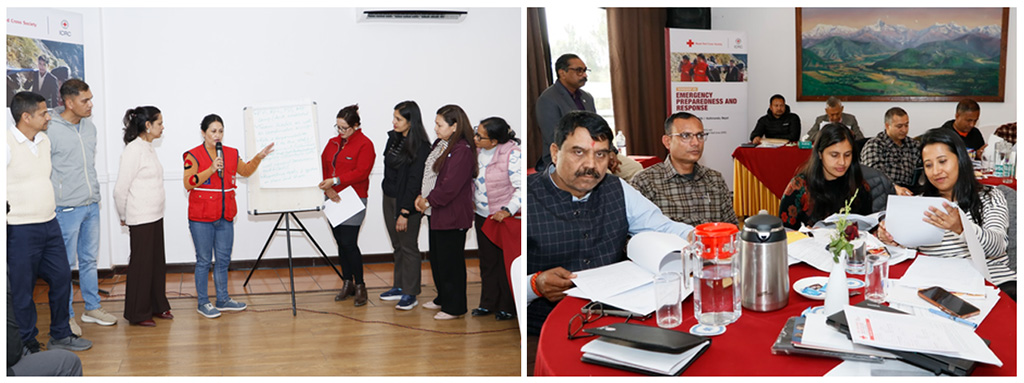
In their feedback, participants highlighted the importance of such capacity-building programmes, noting their strong relevance and the positive impact across different roles and operational contexts. Dibya Raj Paudel, Executive Director of NRCS, highlighted the collaboration between NRCS and ICRC, stating, “Organizing such an intensive workshop showcases the strength of the partnership between NRCS and ICRC, as well as their commitment to the humanitarian agenda”.
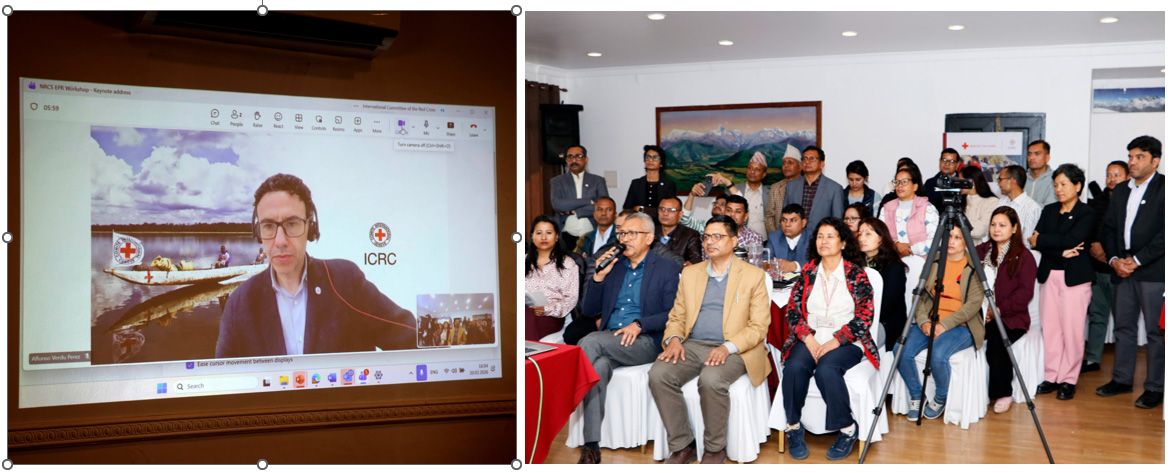
Alfonso Verdu Perez, Head of the ICRC Regional Delegation from New Delhi, concluded the workshop by expressing his appreciation for NRCS’s remarkable efforts in responding to the humanitarian and security challenges arising from the GenZ unrest in Nepal in September 2025. He conveyed confidence that the learnings from this workshop would further strengthen NRCS’s capacity to deliver a principled, timely, and comprehensive humanitarian response should the need arise.