

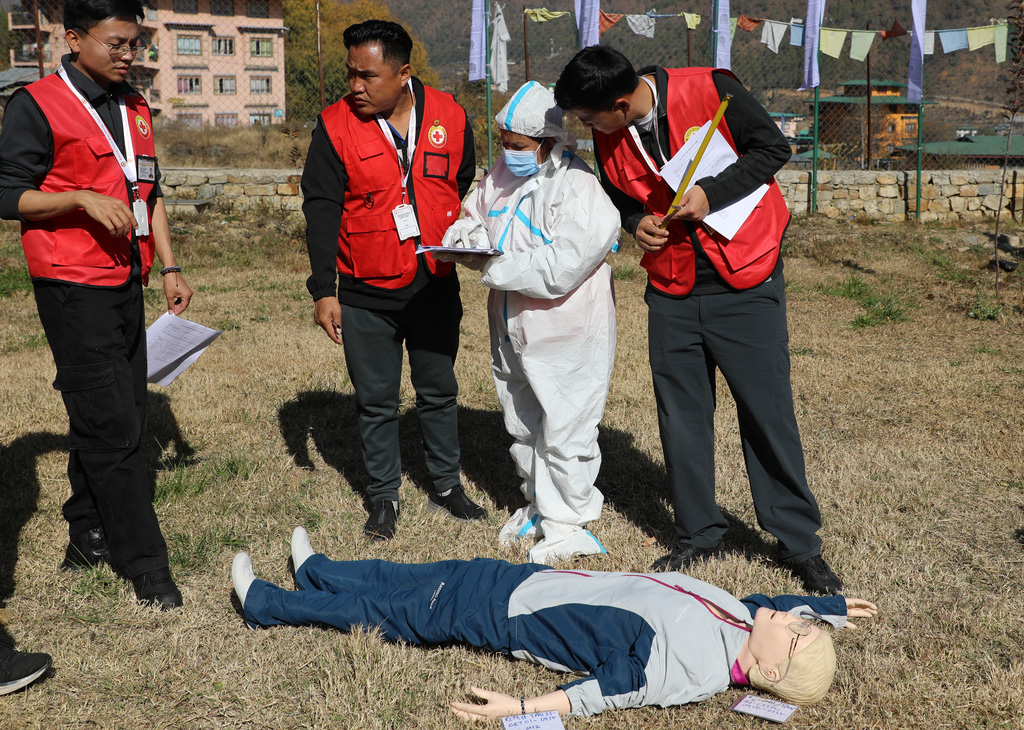
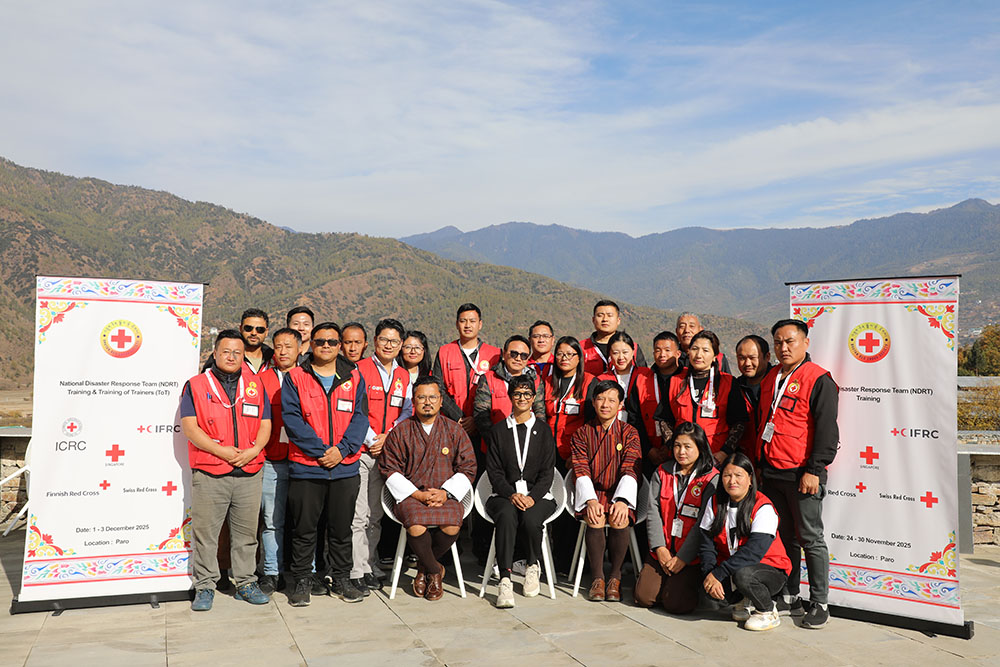
On November 30 and December 1, 2025, the International Committee of the Red Cross (ICRC) collaborated with BRCS to provide specialized training to enhance BRCS’s capacity to lead the Dead Body Management Desk. 24 BRCS personnel, including 9 headquarters staff and 15 district coordinators participated in the orientation and basic training on the Management of the Dead.
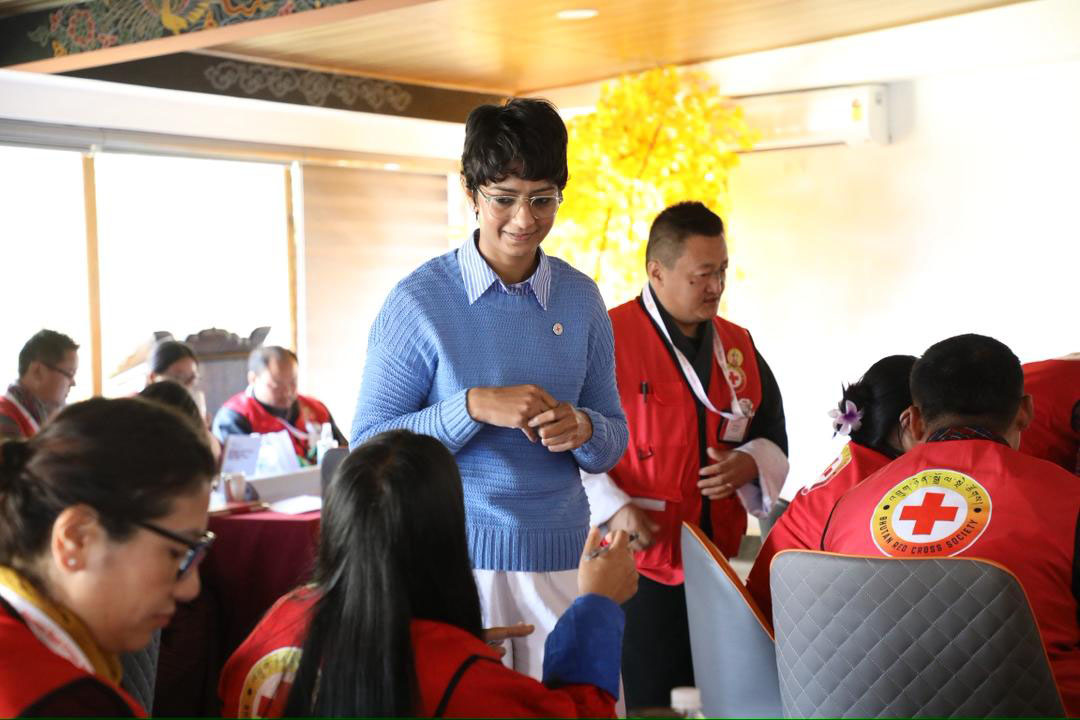
The training aimed to promote the dignified management of the deceased among BRCS staff, ensuring they are well-prepared to respond effectively while facilitating identification of the deceased and prevention of the missing during emergencies/disasters. Proper recovery of the bodies, documentation of each body and personal belonging, proper usage of body bag, temporary storage, missing person enquiry, communication with families, aligning with the existing coordination national mechanism and contingency plan were the key components of the training.
The Bhutan Red Cross Society (BRCS) has emerged as a key humanitarian agency in Bhutan serving as an auxiliary to public authorities, particularly recognized for its vital role during the COVID-19 pandemic. Between 2020 and 2022, BRCS managed approximately 483 deceased individuals, showcasing its commitment to serving the nation in times of crisis. In 2025, the Royal Government of Bhutan mandated BRCS, in collaboration with the Department of Forensic Medicine at Jigme Dorji Wangchuk National Referral Hospital (JDWNRH), with the responsibility of managing the Dead Body Management Desk. This desk operates under the Operation Section of the National Disaster Response Coordination Committee, further solidifying BRCS’s role in disaster management.
This module was integrated into a two-week National Disaster Response Team (NDRT) training program organized by BRCS and the International Federation of Red Cross and Red Crescent Societies (IFRC). The training played a key role in enhancing BRCS’s emergency preparedness and response capabilities, enabling the organization to better address the diverse needs of affected communities. It also provided a valuable opportunity for collaboration and engagement between BRCS, the International Federation of Red Cross and Red Crescent Societies (IFRC), and the broader Red Cross and Red Crescent Movement at a programmatic level.