
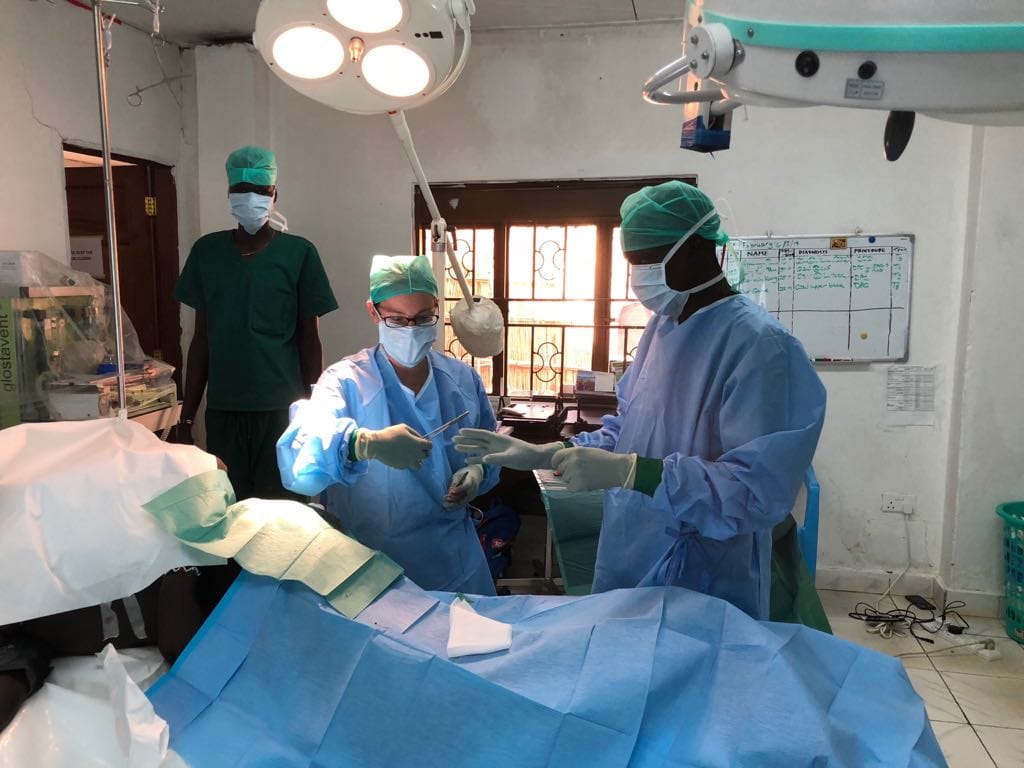
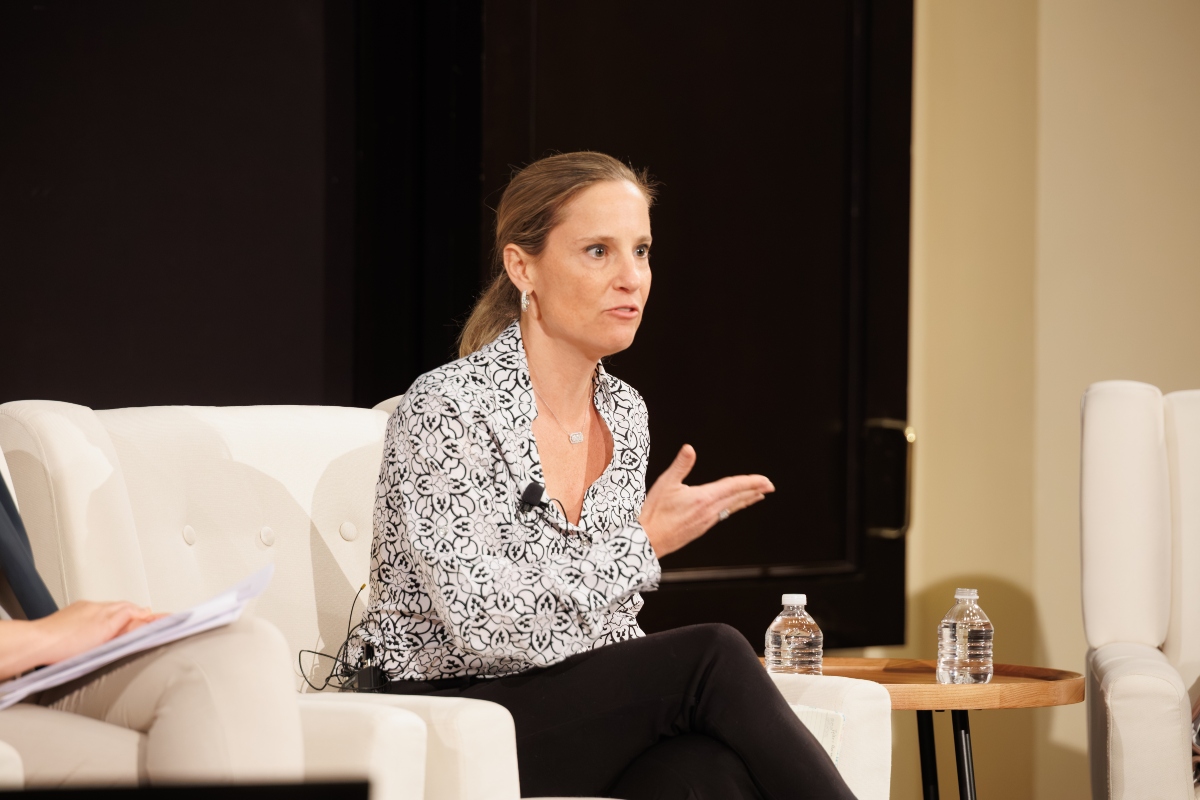
Dr. Anne Morrison, ICRC surgeon. (Michael Stravato/Rice University)
For Dr. Anne Morrison, an International Committee of the Red Cross surgeon from South Carolina, the case of the two sisters in their twenties with their babies being the indiscriminately attacked by a barrage of assault-rifle bullets while fleeing their village in South Sudan has stayed with her. One of the sisters and one of the babies died in the attack.
“So, the sister, who had just lost her own baby and sister, picked up her niece and walked–I don’t even know how far–to the hospital to get help,” Dr. Morrison recounted the incident at Rice University’s Baker Institute in Houston, Texas during a day-long seminar on healthcare providers and facilities being the target of attacks in areas affected by conflict and violence. “We were able to save her niece, but just how much trauma can one person go through in a day?”
The ICRC is one of the only humanitarian organizations specializing in weapon-wounded surgery and advancing trauma care in low-resource medical settings in armed conflict. Every day, ICRC’s war surgeons overcome doing the most with the least.
Over the years they have made many adaptations and improvisations informing how war surgery is conducted. For instance, sugar in lieu of expensive medical-grade honey is used to manage wounds. Ordinary vinegar is effective against a wound turning gangrene, and expensive wound dressing materials are replaced by dry gauze fluffed up to absorb fluid.
Speaking to a group of surgical residents at Baylor School of Medicine, Dr. Morrison explained that surgeons are doing their best with what they have.
“It’s steel and silk, like the 1800s,” she explained. “You can do a lot with steel and silk.”
For surgeons, like those at Baylor, coming from the US with so much technology and infrastructure available to them, they’re able to give the gold standard to every patient, Dr. Morrison said.
“If this patient were in the US, I would have them out of here in three days and I wouldn’t necessarily have to amputate this leg,” Dr. Morrison said.
But in conflict environments, where resources can be limited, surgeons need to learn to adjust to different standards. With the lack of resources like sterile water, surgeons are also having to conduct their operations in a non-sterile environment, which can change the way that procedures are performed. For example, Dr. Morrison says a patient with a broken femur bone in the US would have it replaced by a metal rod, but in low-resourced, conflict settings that could lead to infection due to the lack of sterile equipment, so they have to set the bone with traction.
Aside from the out-of-the-box thinking war surgeons must wrestle with on a daily basis, there’s also the deleterious nature of armed conflict that takes a toll on surgeons’ mental health. In 2021, Dr. Rachel Davis, head of the global surgery program at Baylor School of Medicine, was contacted by a group of surgeons in Myanmar asking for trauma education assistance after many of their teachers were suddenly removed from their positions amid on-going conflict and violence in the country. Dr. Davis created the Global Trauma Collaboration, where she weekly meets virtually with 70 surgeons in war zones to share their experiences.
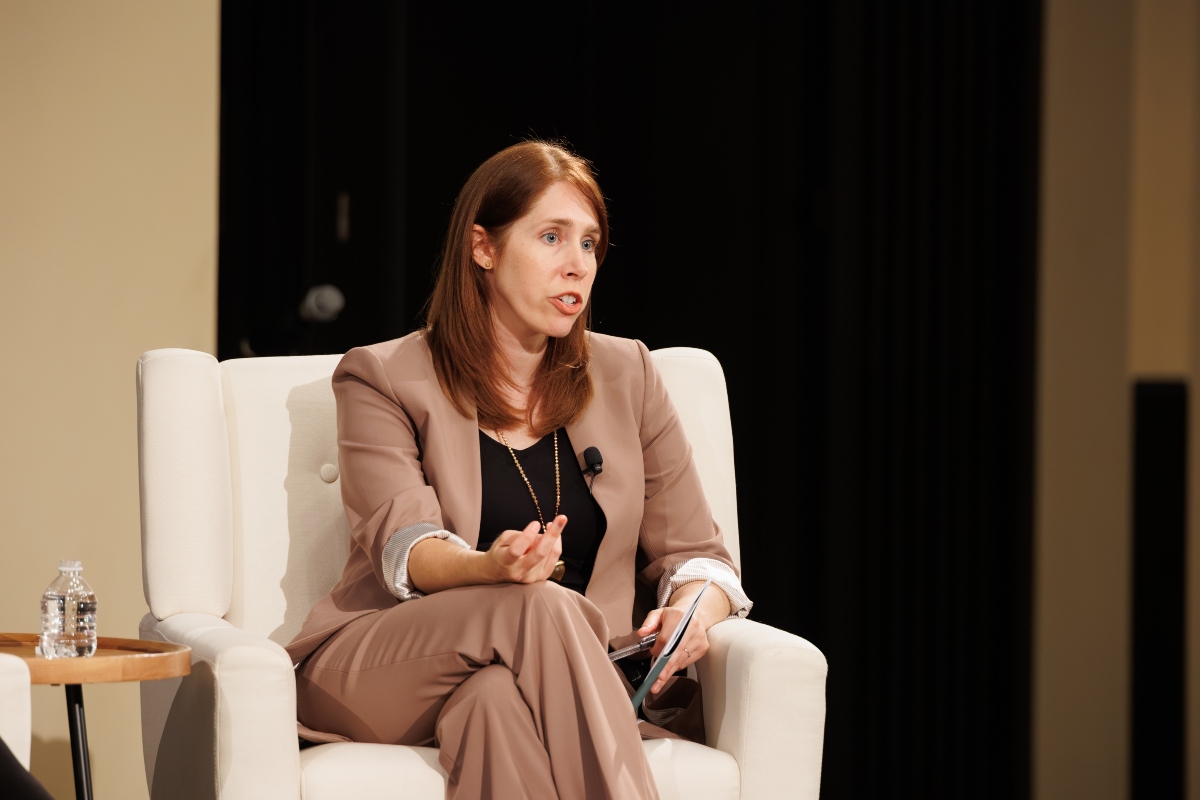
Dr. Rachel Wilkins Davis, head of the global surgery program at Baylor School of Medicine. (Michael Stravato/Rice University)
“They might ask technical questions like, what suture do I use? Or how do I approach this case?” Dr. Davis said at the Baker Institute event. “But it also might be non-technical questions that we address. Like, if I’m operating and someone is shooting at me, am I allowed to shoot back at them? How do I deal with the injury of my colleague or the killing of my colleague?”
The ICRC offers a similar network to its surgeons who are in the field and awaiting their next assignments. Dr. Rahul Shankar Koti, ICRC’s chief surgeon, who just arrived back from a deployment to Gaza in late April, says every week surgeons from across the organization come together virtually to talk about their clinical work and share their war stories and offer support to each other.
“The surgeon who is going to Gaza in ten days’ time, we had a chat, but he’s already contacted the surgeon who was there a month before,” Dr. Koti says. “He talked about his own challenges in the field, and so that’s how people develop their own networks and friendships.”
At the end of the day, the surgeon in any clinical setting—conflict or non-conflict—is leading a team and must ensure the safety of staff and patients even as healthcare providers, their patients, and facilities are facing an increasing number of attacks. In 2025, World Health Organization’s Surveillance System for Attacks on Health Care (SSA) reported the number of attacks on medical facilities and resulting deaths more than doubled from 2024.
That’s why organizations like the ICRC, the Safeguarding Health Care Coalition, and Doctors Without Borders advocate for states and others with influence to do more to protect patients, medical providers and facilities.
“We’ve seen in places like in Gaza or in Yemen or other places where you have these urban conflicts, that you’re just as likely to die from being wounded in a war-related injury as from cholera or an easily treatable disease that we can treat very well here in the United States or in functioning health systems,” Trevor Keck, the ICRC’s head of policy for the delegation based in US and Canada, said at the Baker Institute event. “But when you have sanitation, water, electricity and health care all breaking down at the same time, now you’ve just spiked the chances of people dying from those easily treatable diseases.”
Meanwhile, recruitment of surgeons is also a challenge, Dr. Koti says.
For a surgeon to meet the qualifications to be accepted into the neutral, impartial, humanitarian organization, they need a minimum of five years of leadership experience and some exposure to humanitarian work in developing countries. That kind of expertise for someone coming from western institutions, like Dr. Morrison, can be difficult to come by. The Baylor School of Medicine has a glowing reputation for caring for those experiencing trauma due to car accidents and gun violence in Houston. The school’s global surgery program attracts residents seeking to do work in the humanitarian sector. But even with all that, there’s no hands-on war surgery field experience included in residents’ studies.
“Which means you need to seek it outside of your normal surgical education,” Dr. Koti says.
That’s why onboarding for new ICRC surgeons includes spending two months at the ICRC hospital project in Juba, South Sudan. They are then slowly introduced to a mission with some support from their peers.
“At the end of the day, we’re all people,” Dr. Morrison explains how she’s learned to cope with the work, the stress, and the attacks against her and her colleagues. “When you’re on my operating table, you’re naked, you’re floppy, you’re vulnerable, and you’re suffering. It doesn’t matter who you are, if you’re a gang member or a mobster or a fighter or whatever bad things you’ve done in your life that makes you the enemy of somebody else. One of the things I really love about the Red Cross and their approach to conflict is they’re seeing the humanity of everyone.”