

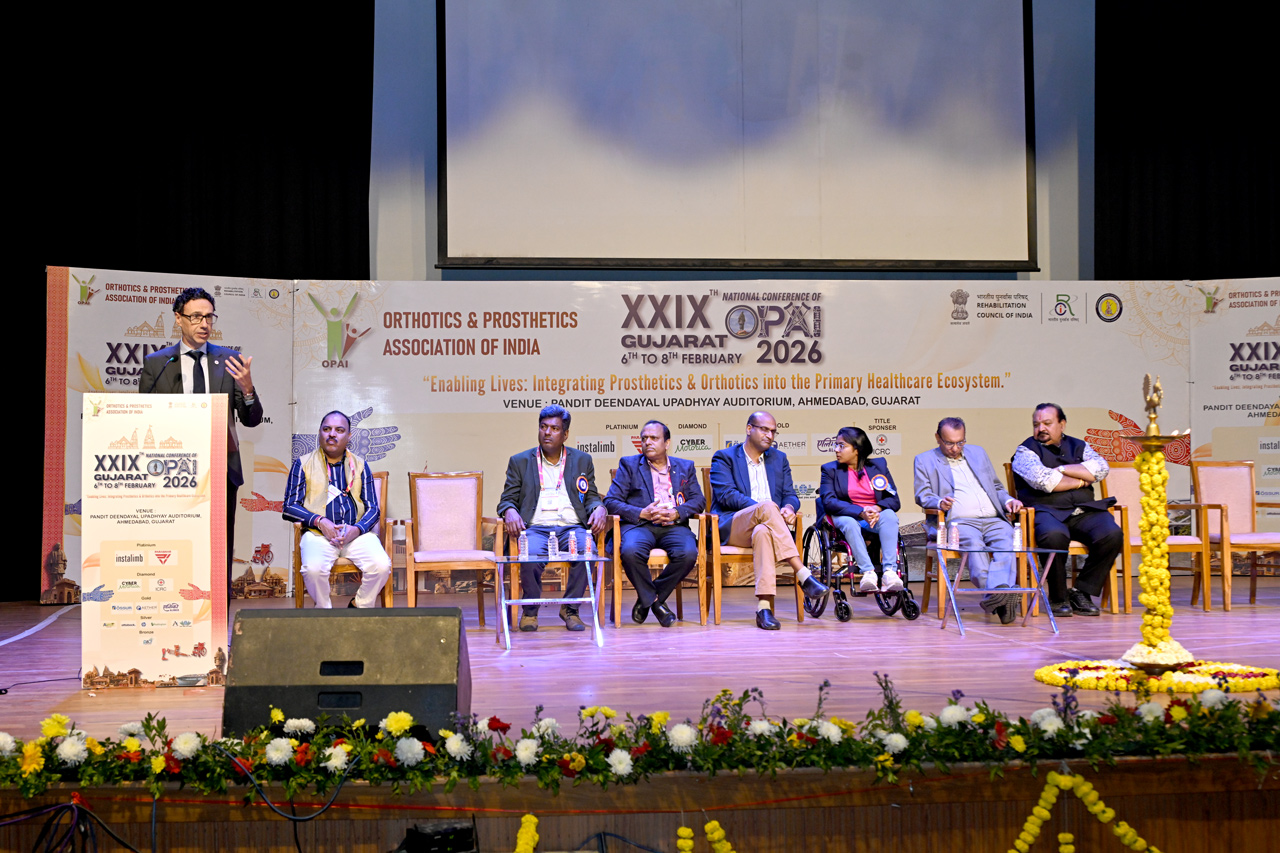
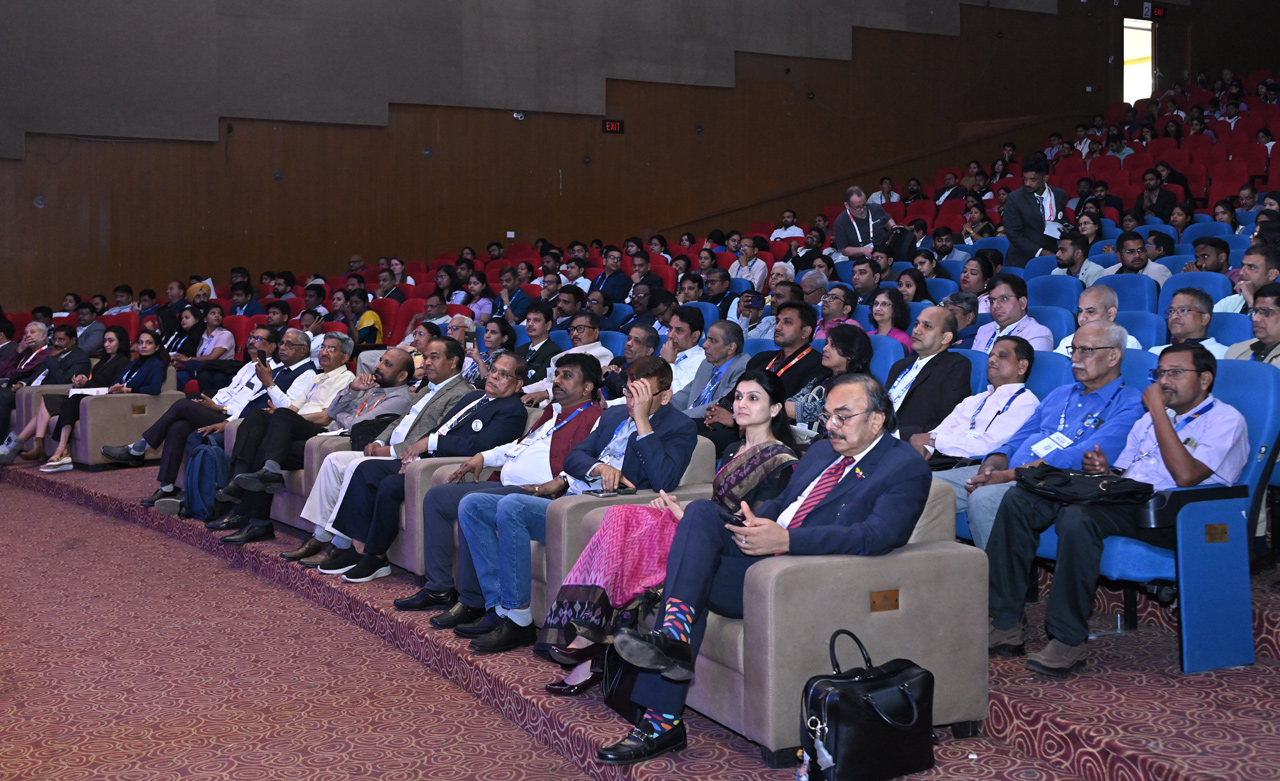
The 29th National Conference of the Orthotics and Prosthetics Association of India (OPAI), held in Ahmedabad from February 6-8, brought together over 700 national and international delegates. Participants included clinicians, academicians, researchers, rehabilitation professionals, industry leaders, and students. The event provided a platform for knowledge exchange, networking, and discussions on technological advancements in the field of orthotics and prosthetics. As the title partner, the International Committee of the Red Cross (ICRC), had the privilege to factor in a humanitarian perspective on Physical Rehabilitation, drawing from its experiences in India and across the globe.
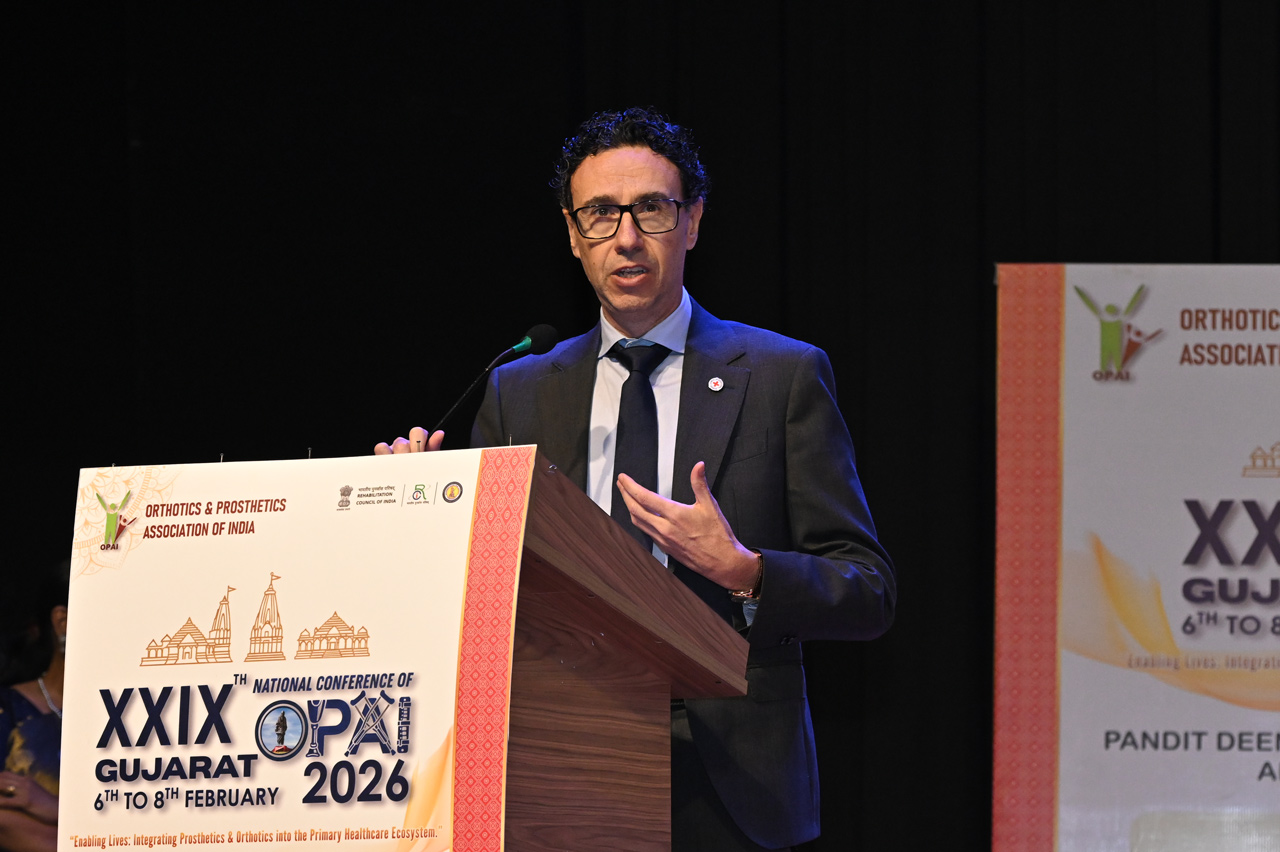
Amidst this gathering of experts, Mr Alfonso Verdu Perez, Head of Regional Delegation, ICRC New Delhi, delivered an inaugural address reflecting on the organizations’ two-decade-long journey in India through its Physical Rehabilitation Programme (PRP). Since its establishment, PRP has focused on strengthening the physical rehabilitation sector through sustainable partnerships with established Indian institutions, including the OPAI since 2013, which focused on capacity building programmes and creating similar platforms to foster meaningful exchanges among professionals.
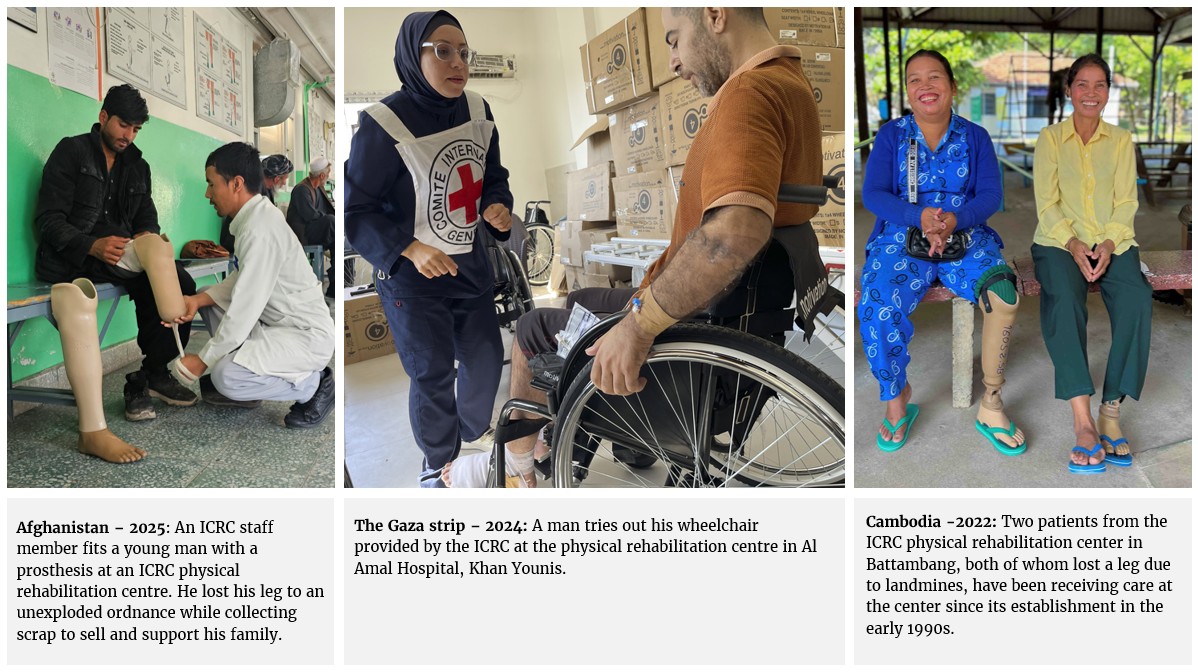
Mr. Alfonso stated that the ICRC’s approach has been centered on exchanging knowledge with and learning from relevant stakeholders in India. Without missing its key focus on the direct humanitarian impact for high-vulnerable persons, particularly those affected by conflict and other forms of violence (e.g., Lebanon, the Democratic Republic of Congo, Somalia, Mali or Cambodia), ICRC’s global strategy on PRP has focused on strengthening national health systems through collaboration with local professional associations and authorities. These efforts have aimed to establish sustainable, high-quality, and inclusive rehabilitation services for people with disabilities, with excellent results in terms of autonomy and resilience. Here are some examples of the ICRC’s work in humanitarian contexts:
The outcomes below illustrate the programme’s extensive impact and its contribution to improving access to rehabilitation services both in India and globally:
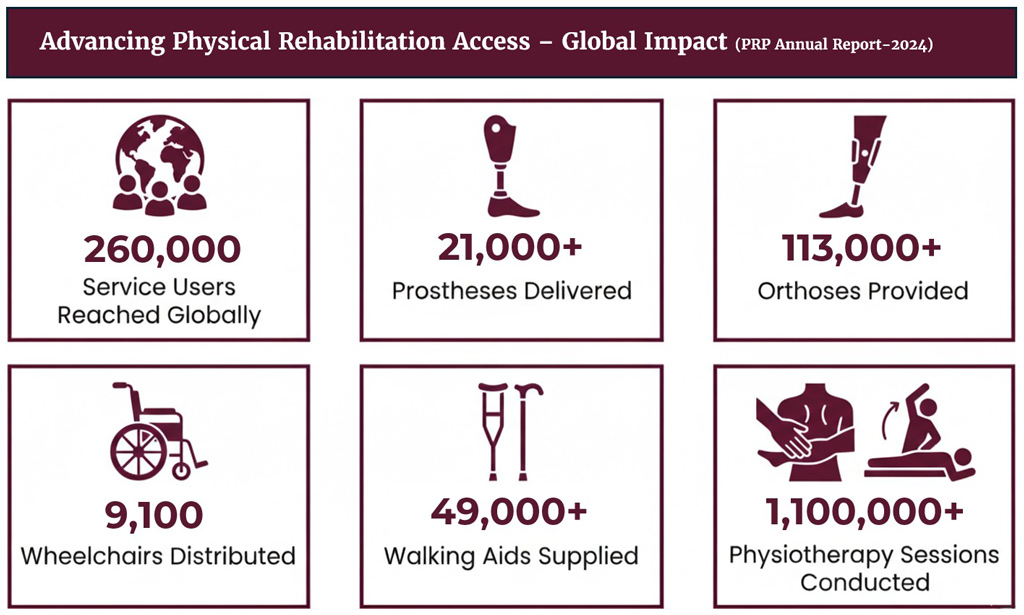
Building on the progress made in rehabilitation services, India is rapidly evolving into a global manufacturing hub for affordable, low-cost, and scalable biomedical equipment and assistive devices, driven by the “Make in India” initiative and a growing MedTech startup ecosystem. The market for assistive technology is projected to reach USD 3.5 billion by 2033. In this context, professional associations such as the OPAI can play a pivotal role in driving investment and technological advancement in specialized area of prosthetics and orthotics. As the apex body for professionals in Prosthetics & Orthotics (P&O), OPAI bridges the gap between international technology providers and the local expertise necessary for adoption.
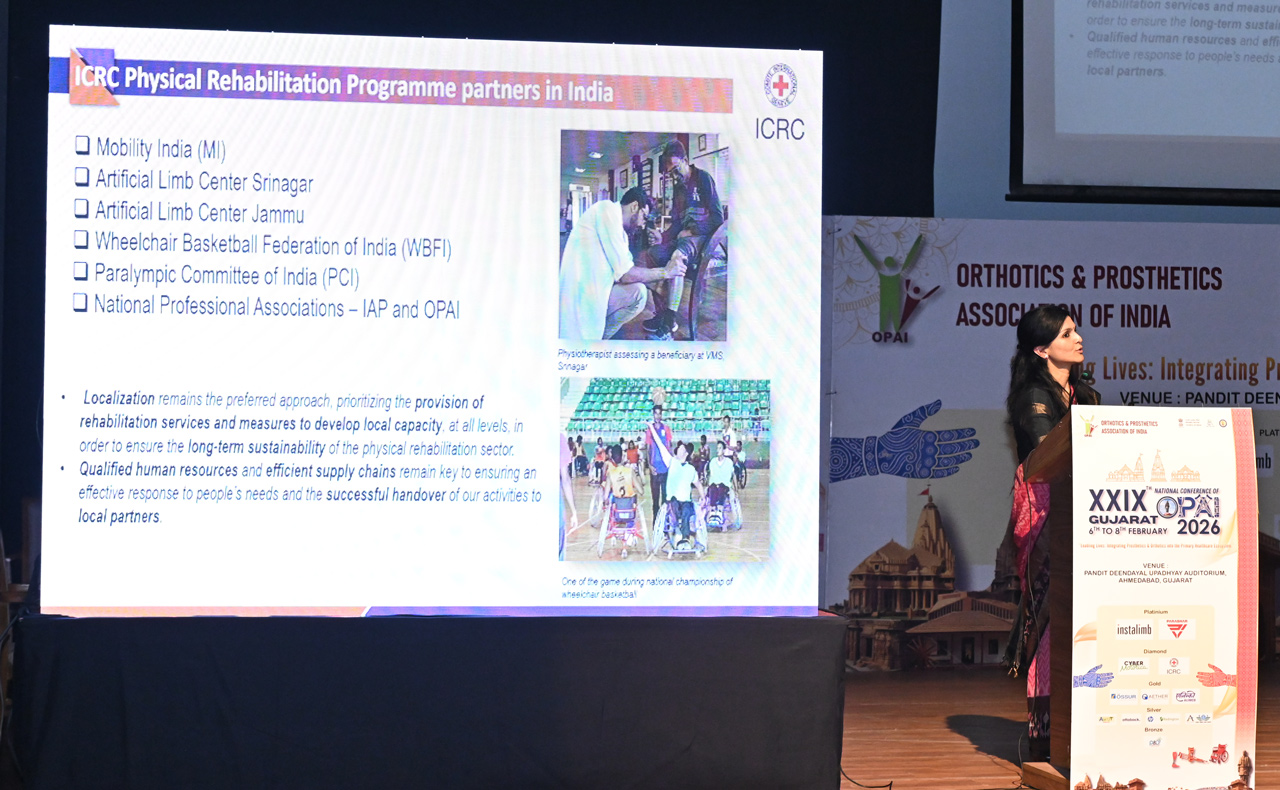
At the conference, Ms. Charu Sharma, Physical Rehabilitation Project Manager at ICRC New Delhi, provided an overview of the PRP’s activities in India. She elaborated on various partnership models that have supported service provision, systematic capacity-building initiatives, and the social inclusion of persons with disabilities through sports, vocational training, and employability projects. She highlighted that the PRP emphasizes a multidisciplinary, person and system-focused framework to ensure high-quality, equitably accessible, and sustainable services, while fostering the full participation of people with physical disabilities in society.
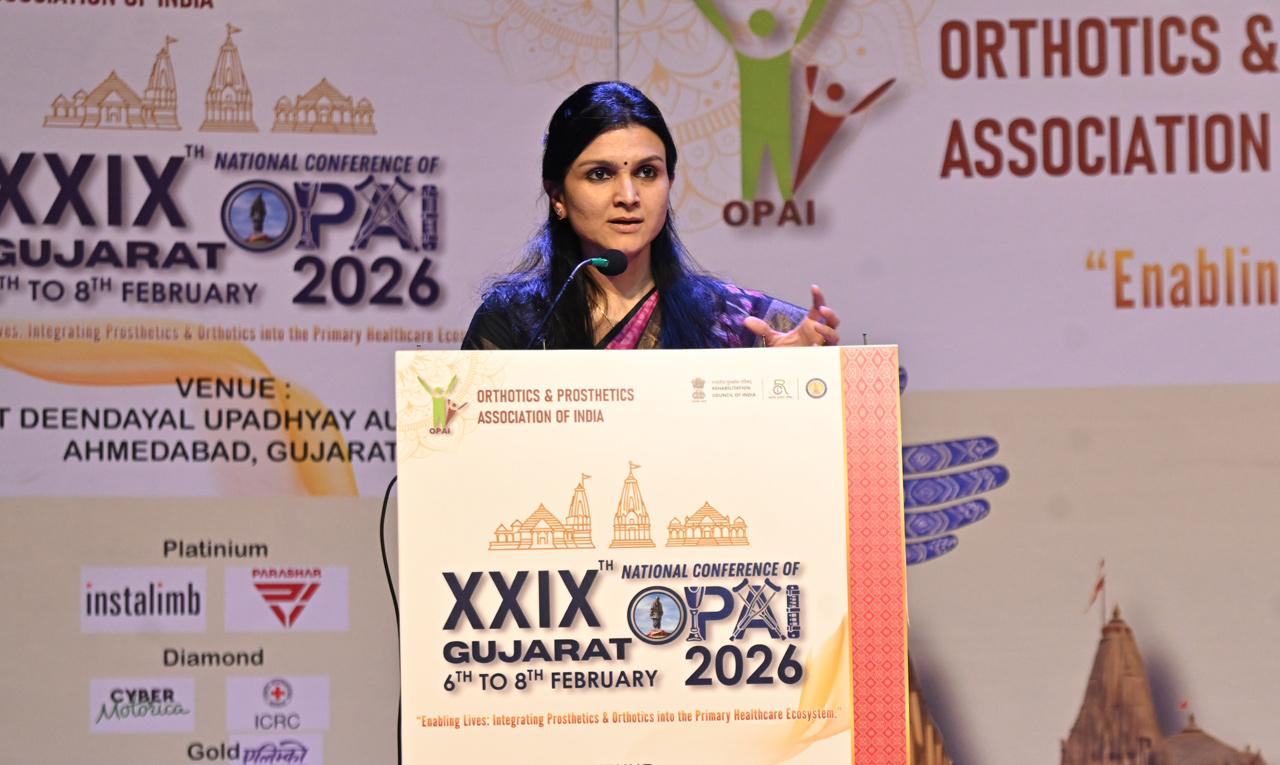
As part of the ongoing phase-out strategy, Ms. Charu highlighted recently concluded partnerships, including those with CURE India and VMS Srinagar, which continue to provide quality services following long-term systemic support from the ICRC. She also underscored the program’s system-strengthening efforts, which have contributed to rehabilitation services and assistive technology in India.
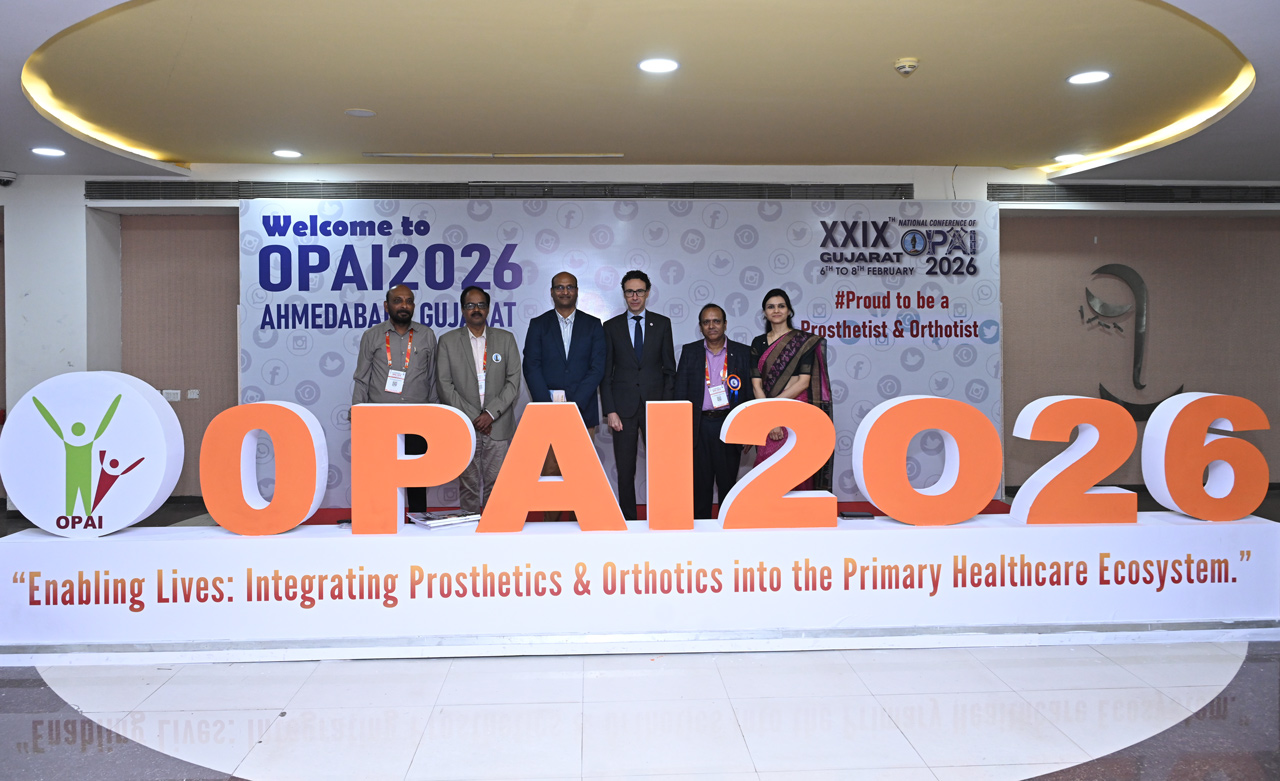
The National Conference also presented a valuable opportunity for Mr. Alfonso to formally announce that the ICRC’s PRP in India would conclude by the end of 2026. He acknowledged the broader financial challenges the global humanitarian sector is facing but also emphasized the significant progress achieved through the programme, and the strong institutional capacity that now exists within India. He further added, “This will not be the end of our role – moving forward, we aspire to build on the programme’s legacy as a collective success story by sharing our results with related partners, institutions, and authorities”. To this end, the ICRC will organize a series of national stakeholder event/forums, inviting these key partners and stakeholders to present its operational model, share collaborative learnings, and highlight the programme’s outcomes.