

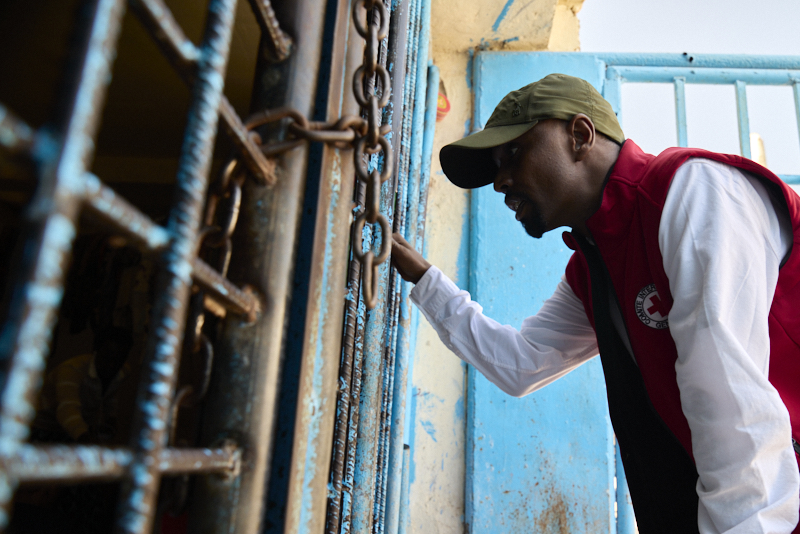
During Ramadan, the International Committee of the Red Cross (ICRC) provides iftar essentials such as dates and goat meat to detainees in Somalia, complementing their daily meals. Iftar, the evening meal that breaks the fast at sunset, is a deeply meaningful moment after a day of fasting. Detainees also receive milk powder and biscuits, while detention facility kitchens are provided with sugar, tea leaves, lentils, tomato paste and vegetable oil to support meal preparations throughout the holy month. This annual gesture has become a valued tradition for both the ICRC and detainees.
While important, this gesture represents only a small part of what we do in places of detention across Somalia.
Since 1977, the ICRC has been working inside these heavily guarded walls where daily life continues for thousands of detainees. In collaboration with detention authorities, we work to ensure humane treatment, facilitate contact with family members and improve living conditions for those deprived of their liberty. Here’s how:
Spirit of Ramadan
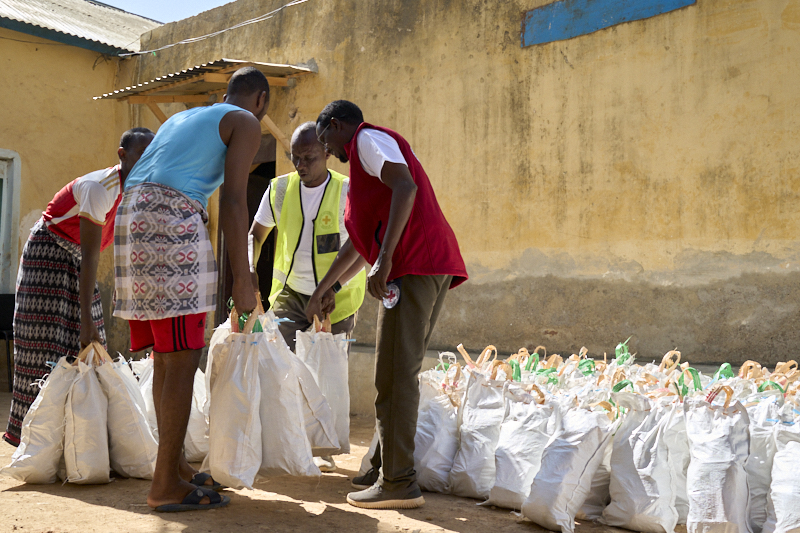
As part of our Ramadan tradition, each year we distribute food, including meat to help provide iftar for detainees in detention centers across Somalia. This allows them to observe Ramadan in keeping with their faith and cultural identity – a fundamental part of humane treatment. This year, more than 5,000 detainees across 11 places of detention have received dates, milk powder, and biscuits. @Rahime Adan/ICRC
Spaces of Dignity
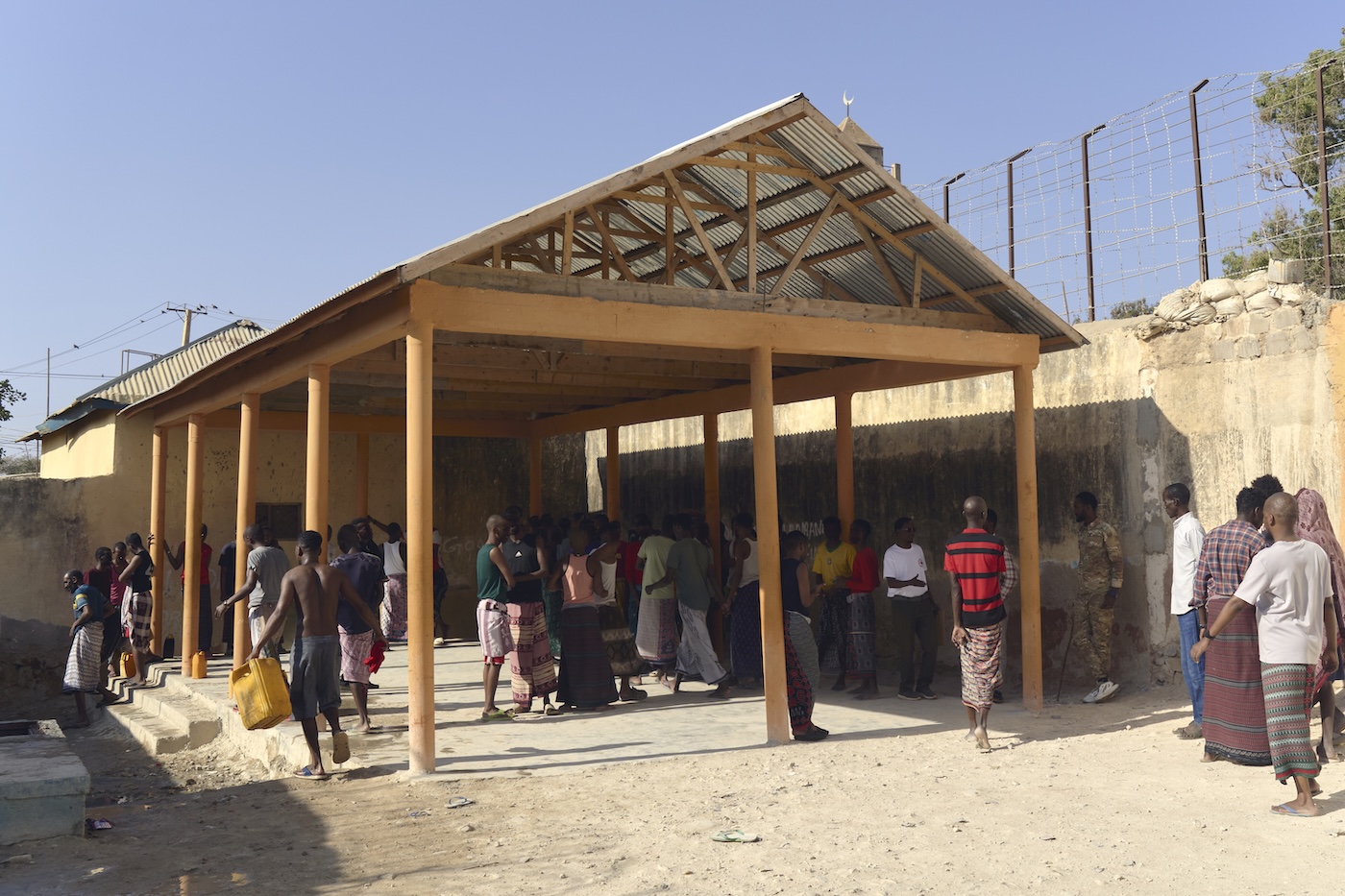
Spending time outdoors offers detainees a change of pace and environment. It also enables them to perform basic daily tasks like personal hygiene, laundry, and meaningful activities. At Baidoa Central Prison, for instance, detainees gather at the recently rehabilitated by the ICRC relaxation area, where they can pray and enjoy the fresh air. Improving conditions helps Somali authorities meet their obligations under the Somali law and international humanitarian standards for the treatment of prisoners. @Rahime Adan/ICRC
Health in Captivity
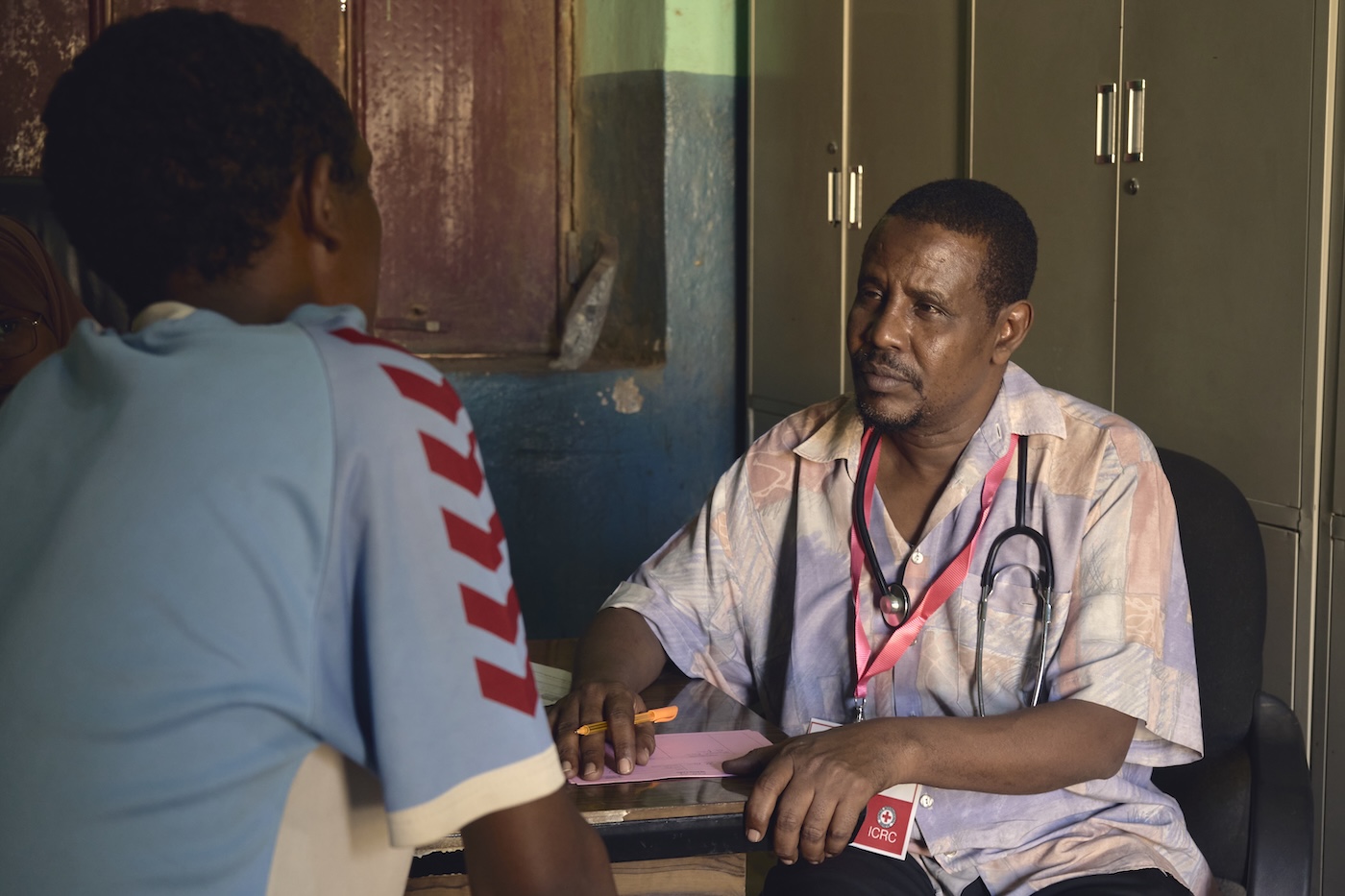
Diseases can spread quickly in crowded spaces. For example, a single case of tuberculosis or diarrhoea can quickly escalate into an outbreak. The ICRC works with the authorities to monitor the health of detainees and provide medical support when needed. In 2025, the ICRC supported five health clinics within detention centres with technical advice and supplies to treat 15,791 detainees. @Rahime Adan/ICRC
A Safe Space
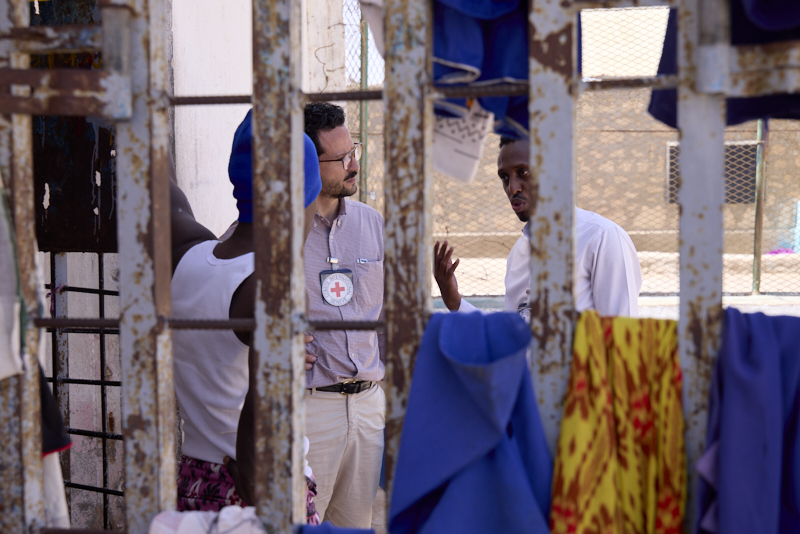
Around the world, the ICRC conducts private interviews with detainees. These interviews are carried out away from guards or prison authorities, creating a space where detainees can share their concerns on treatment or living conditions freely. These conversations enable us to identify any issues or challenges and work with authorities to address them. The interviews are protected by ICRC’s neutrality mandate, meaning these conversations are strictly confidential. @Abdikarim Mohamed/ICRC
Bridging the Distance
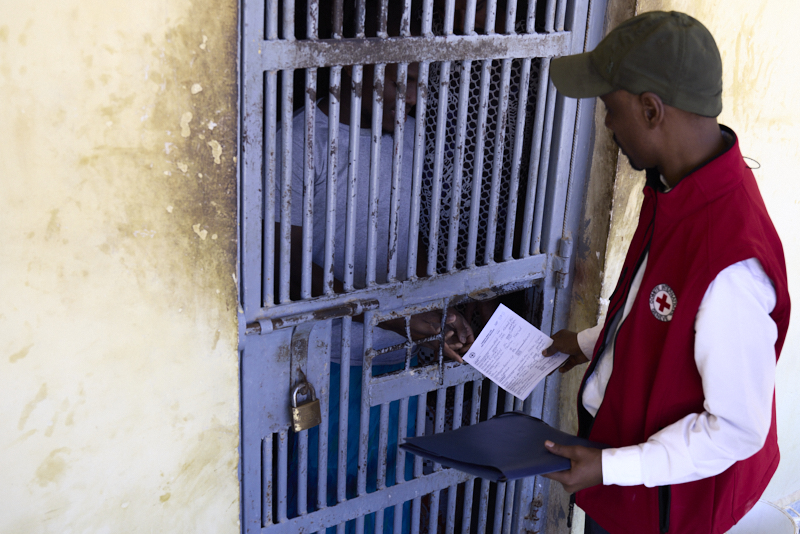
Keeping in touch with loved ones can be challenging for both the detainees and their families. We help bridge this gap by facilitating family contact through Red Cross Messages (RCM) and salamats (oral messages). These connections remind detainees that they have not been forgotten. In 2025, 280 detainees were able to contact their families through. 37 RCMs and 60 salamats for detainees in Somalia. The ICRC also delivered 237 RCMs from detainees in Ethiopia to their families in Somalia. @Abdikarim Mohamed/ICRC
Access through Trust
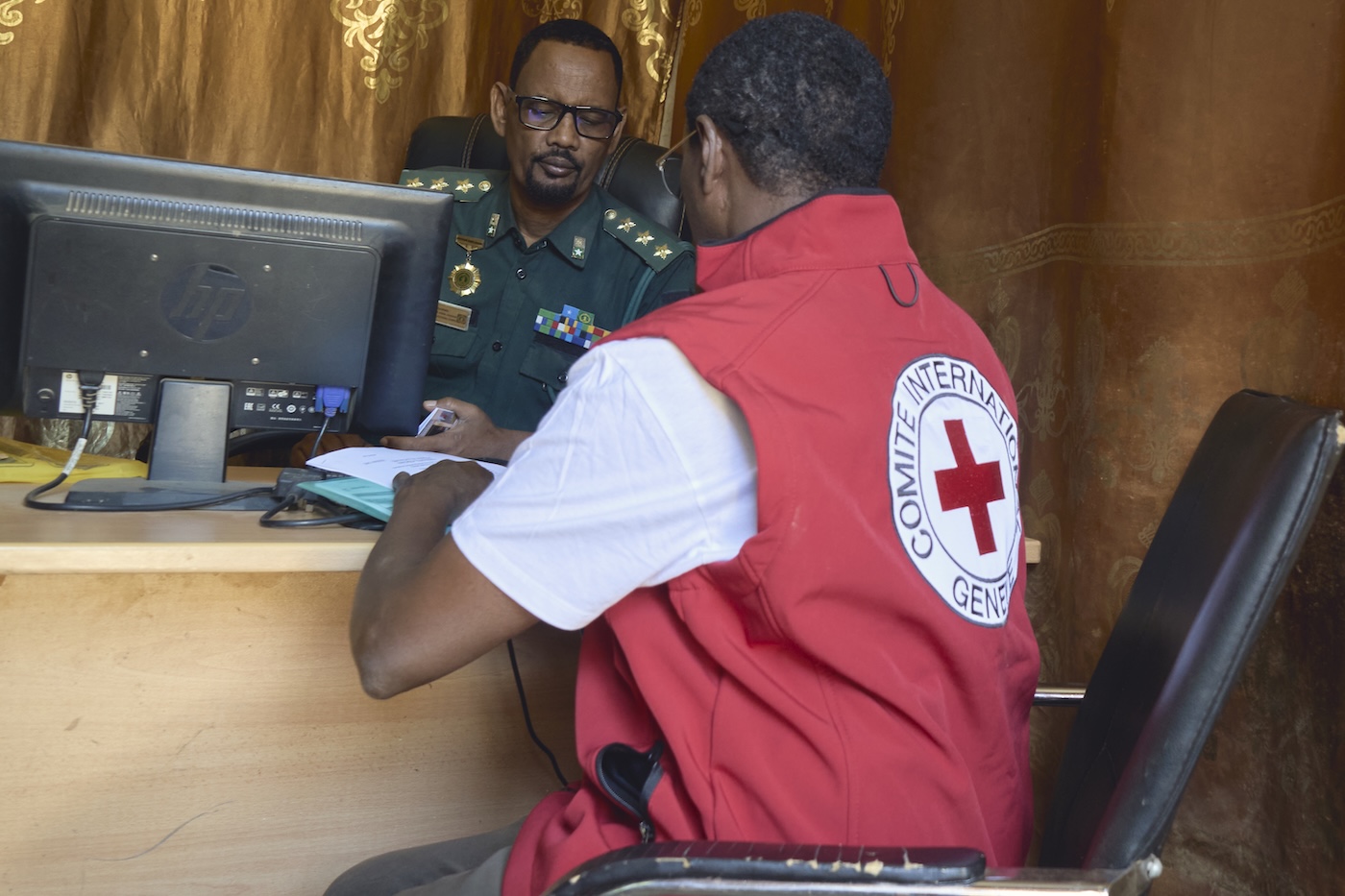
None of these activities would be possible without the cooperation of detention authorities. The ICRC’s neutrality, which has been built up over decades, allows us access to places of detention across Somalia and around the world. In 2025, we conducted 56 visits to 20 detention centres. @Rahime Adan/ICRC