

1. Why does ICRC visit places of detention?
The visits to and follow-up of persons arrested and detained in connection with the conflict are at the heart of the ICRC’s mandate. This is an activity that the ICRC has been conducting for more than a hundred years. This is because in conflict situations detainees, whoever they may be and regardless of the reasons for their detention – are often at risk.
In Somalia, the ICRC visits places of detention with the agreement of the relevant detaining authorities and in accordance with its procedures. Visits to places of detention in Somalia date back to 1977.
2. What does the ICRC do during a detention visit?
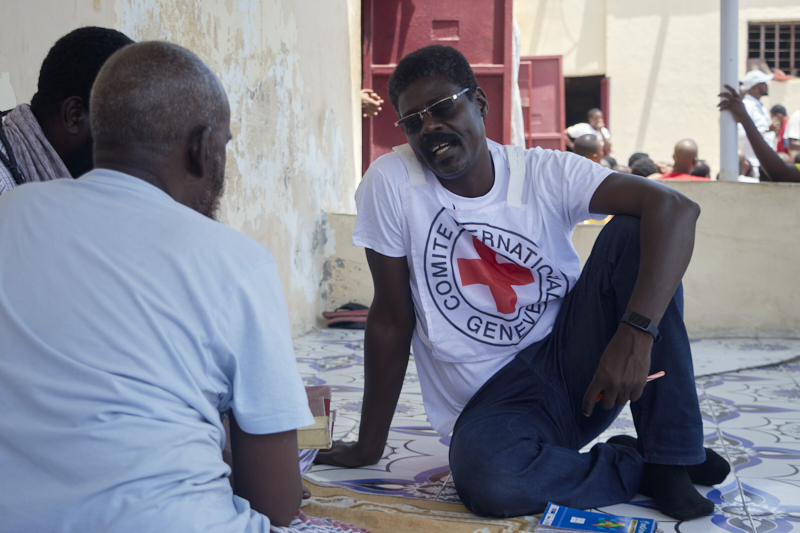
During visits, our teams meet with the detaining authorities, tour the premises, consult the registers, and speak privately with detainees. This allows the ICRC to observe and make recommendations for the improvement of living conditions (including food, water, sanitation, healthcare, etc.), treatment, and judicial guarantees. The ICRC’s observations and recommendations are discussed confidentially with detaining authorities.
Where needed, ICRC works with the authorities to improve the situation for detainees through material assistance as well as technical advice. For detainees, contact with their families is a lifeline. As such, detainees are also offered the chance to contact their families through phone calls, short oral messages (“salamat”) or written messages (“Red Cross Messages”).
3. Does the ICRC help improve conditions in detention facilities?
Sometimes. When appropriate and requested by detention authorities, and following its assessments and discussions with the authorities, the ICRC may provide technical advice or material support to improve access to healthcare, clean water and sanitation or provide nutrition. On an annual basis, the ICRC supports detainees with iftar during Ramadan. In Somalia, together with the relevant authorities, we have supported places of detention, including , and improved conditions by rehabilitating structures. However, the detaining authorities retain primary responsibility for detainees and for the management of places of detention.
4. Does the ICRC help detainees get released?
No. The ICRC does not interfere with judicial processes in any country it works in. It does not decide who gets detained or released. Our role is strictly humanitarian – working to ensure detainees are treated with dignity and in accordance with national and international standards. The ICRC may also offer its services as neutral intermediary for prisoners’ release or other similar cross-line operations, as was done in 2023 in Las Anod. However, we can only act with the agreement of the parties involved. This is one of the humanitarian responses offered by the ICRC as a strictly neutral humanitarian intermediary.
5. Does the ICRC pay detention authorities to visit or support detainees?
No. The ICRC does not pay detention authorities either in cash or kind to visit or support detainees. The ICRC adheres strictly to its principles of neutrality, impartiality, and independence, which means it does not provide any form of compensation to authorities in exchange for access to detainees. Support to places of detention including distributing food, hygiene items, clothing, or medical supplies is provided directly to detainees to improve their living conditions. This support is discussed and coordinated with authorities to ensure it aligns with ICRC’s humanitarian objectives.
6. Why doesn’t the ICRC publicly report what it finds in detention?
The ICRC shares its findings directly with the authorities responsible for places of detention. This confidential approach helps build trust, maintain access to detainees, and encourages practical improvements over time.
Confidentiality does not mean silence or acceptance.
7. Can the ICRC help detainees stay in touch with their families?
Absolutely. Where appropriate and with approval from detention authorities, the ICRC helps connect detainees with their loved ones through phone calls, “salamats” (short oral messages), or “Red Cross Messages.” This is done regardless of the reasons for their arrest/detention. The ICRC also encourages authorities to facilitate family contacts including notifications, calls, and visits.
8. Does the ICRC only visit prisons?
No. The ICRC visits different places where people are held in connection with armed conflict or violence provided the relevant authorities grant access. This can include police stations as well as intelligence and military detention facilities.
9. Why is detention work important?
A person retains his or her dignity and basic rights at all times – including in detention. By visiting places of detention and engaging confidentially with authorities, the ICRC helps promote humane treatment, reduce suffering, and improve conditions for detainees. This has positive and constructive impact on detainees’ lives as well as the detaining authorities’ ability to fulfil their obligations.
If you want to learn more about our work in Somalia visit Frequently asked questions: Our work in Somalia
Take care before you share
If you come across content on social media that you believe to be false or misleading, you can report it directly to the relevant platform.
You can also help slow the spread of misinformation by checking the veracity of questionable information before sharing it with others.