

From the air, Somalia offers a stunning sight: long stretches of blue and green, and vast golden plains. In the northern parts of the country, there are almost blinding white sandy terraces.
On the ground, however, lie the stories of families who continue to rebuild their lives three decades into recurring conflict, massive displacement and climatic shocks. There are more than six million people in the country who urgently need assistance just to get through the day. Now, with the decline in humanitarian funding, the pressure to survive has increased1. This year, close to 200,000 people have been displaced by fighting in parts of the country according to the latest figures from the Protection and Solutions Monitoring Network.
Against this backdrop, small shifts are taking root. A slow return to self-reliance. Families are restocking their shops, rearing small herds of goats, harvesting maize; returning to trades they once relied on. Some of these stories of resilience are backed by long-term livelihood projects, a programme run by the International Committee of the Red Cross (ICRC) supporting households to restart their businesses and to secure a more stable future for their children.
The goal? Livelihood recovery for the most affected communities.
Jowhara and her herd of goats
@ICRC/Abdirahman Abdullahi
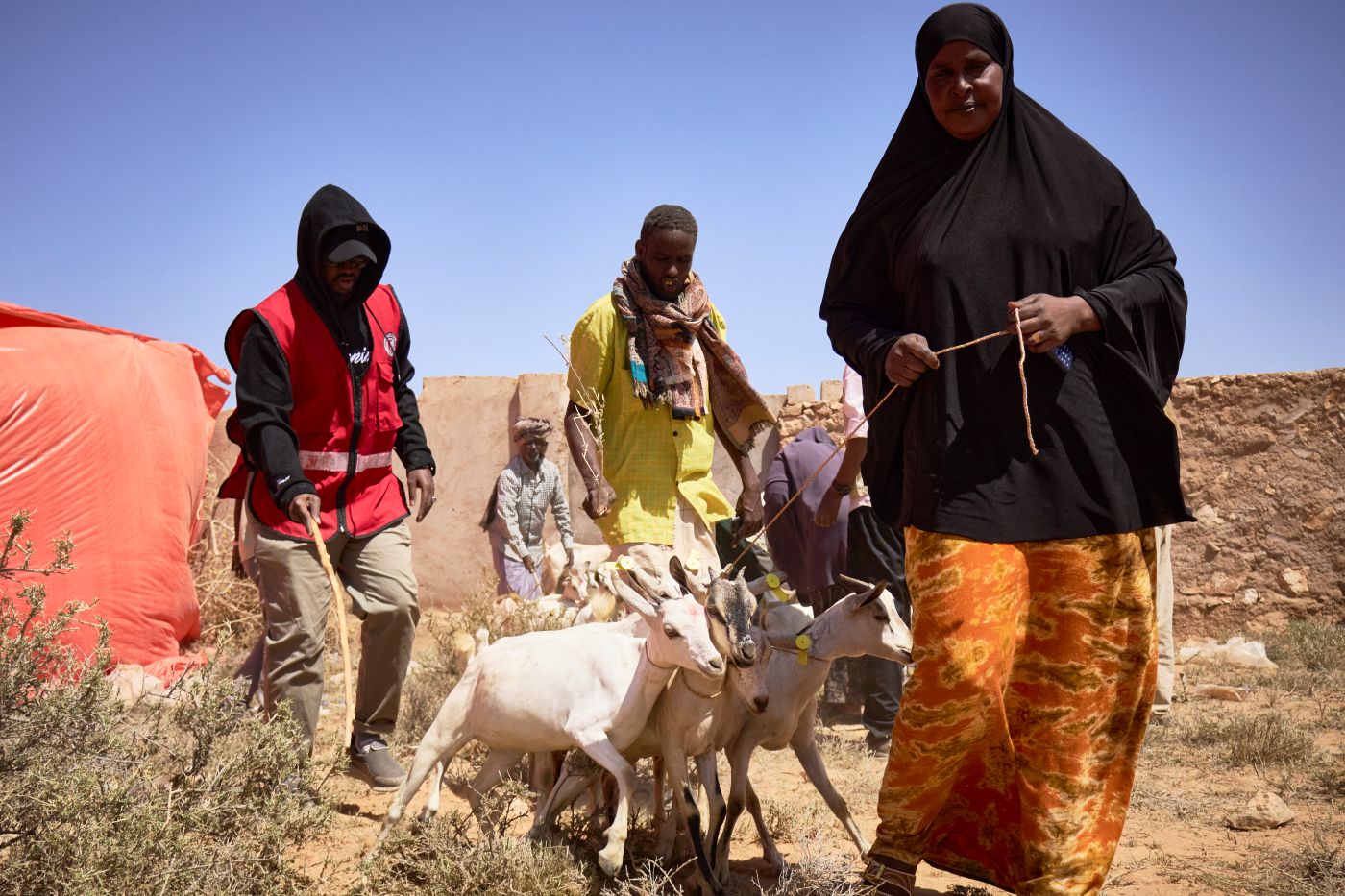
In the dusty plains of Waciye, 42-year-old Jowhara Ismail smiles as she tugs at the rope tied around her five goats. Earlier this year, when the government evacuations reached her village of Tisjic, just close to the Al Miskat frontline, she packed her life – carrying only what she and her eight children could manage. She left behind her home and a modest tea shop business that once kept her family afloat.
For her and 299 other families from Waciye and Kalabayr in Bari region, the 1,500 goats distributed by the ICRC mean more than just assistance. It is a chance for them to earn, rebuild, and regain some sense of normalcy in their new homes away from home.
“I am going to herd these animals. I will make them a small camp next to my house and care for them… when they reproduce, I can sell one to feed the children,” rejoiced the single mother of eight.
This livestock program goes beyond distribution. It invests in capacity building – training locals in veterinary skills, to deliver quality animal healthcare services to pastoralists. Since the beginning of the year, 160 community animal health workers have been trained across Lower Jubba, Bakool, Mogadishu, Galgaduud, Mudug, Nugal, Bari, Sool, and Sanaag, ensuring resilience goes hand in hand with recovery.
Fadumo’s vegetable vending business
@ICRC/Abdikarim Mohamed
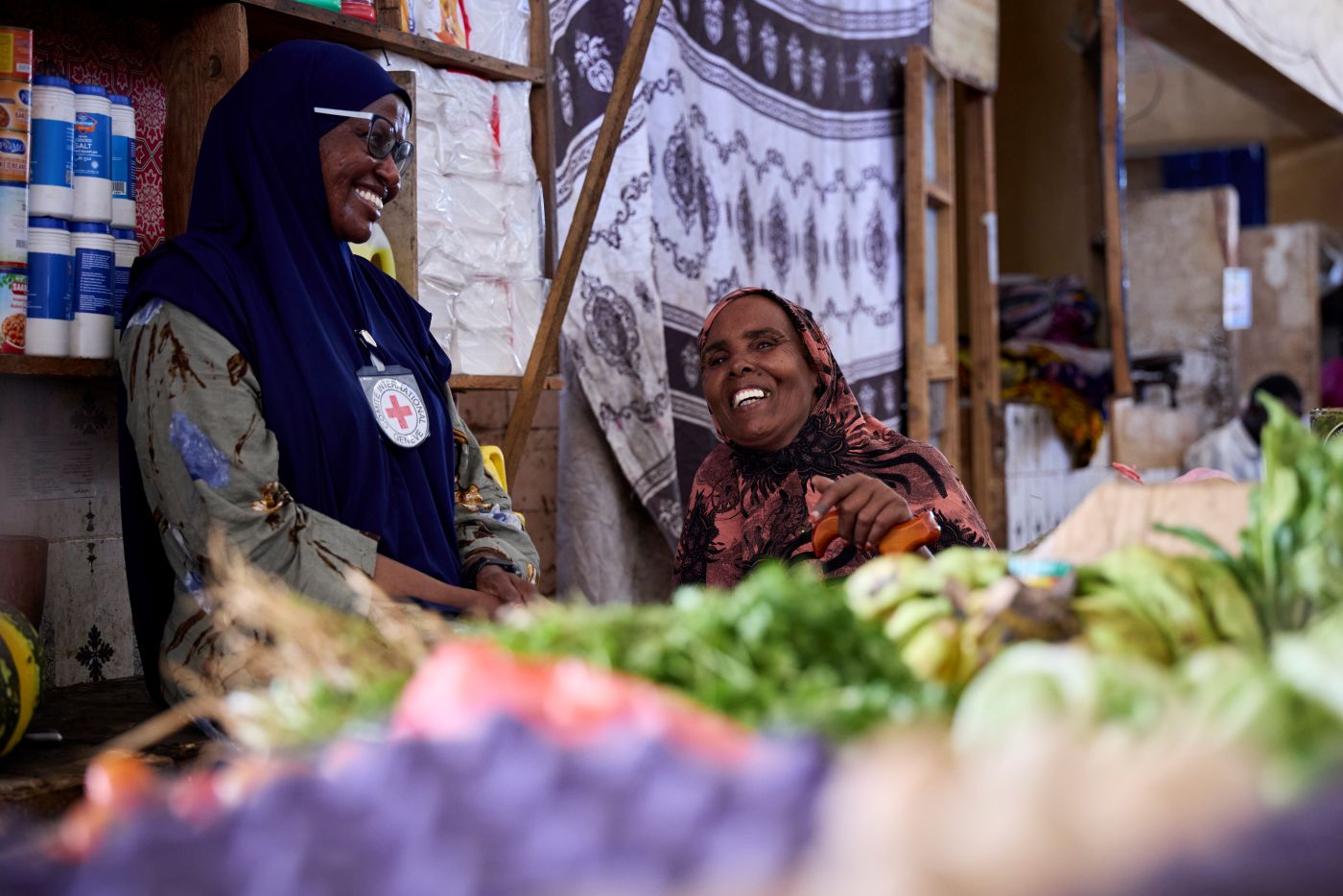
In Ansalooti, one of the biggest and busiest markets in Mogadishu’s Hamar Jajab district, the air is filled with the sharp scent of fresh vegetables, and bargaining voices. Here, Fadumo Mohamud, a 60-year-old single mother of seven, charmed us with tales that only residents of Mogadishu can produce. At peace with the freedom that her vegetable business affords her. A year before, her business was on the verge of collapse. Then came a $500 grant, and with it a chance to rebuild. Today, her business stands steady once more, her stall full, and so is she. A seasoned woman she has become, with over 40 years in the trade.
“The money I received, I did not spend it on anything else,” she told us, “I invested it in my business.”
Hers is a story of perseverance, showcasing how determination with the right support can turn survival into stability. Through microeconomic initiatives like this, the ICRC has supported more than 1,000 conflict-affected families in 2025 to restart or expand their existing small businesses with cash grants. The families came from Abdiaziz, Marka, Dhobley, Kismayo, Baxdo, Baidoa, Xarardheer, and Bosaso. This helps them gain a footing in their communities and contribute to their family income. The cash injection also stimulates the local economy.
Osman and the tides of hope
@ICRC/Abdikarim Mohamed
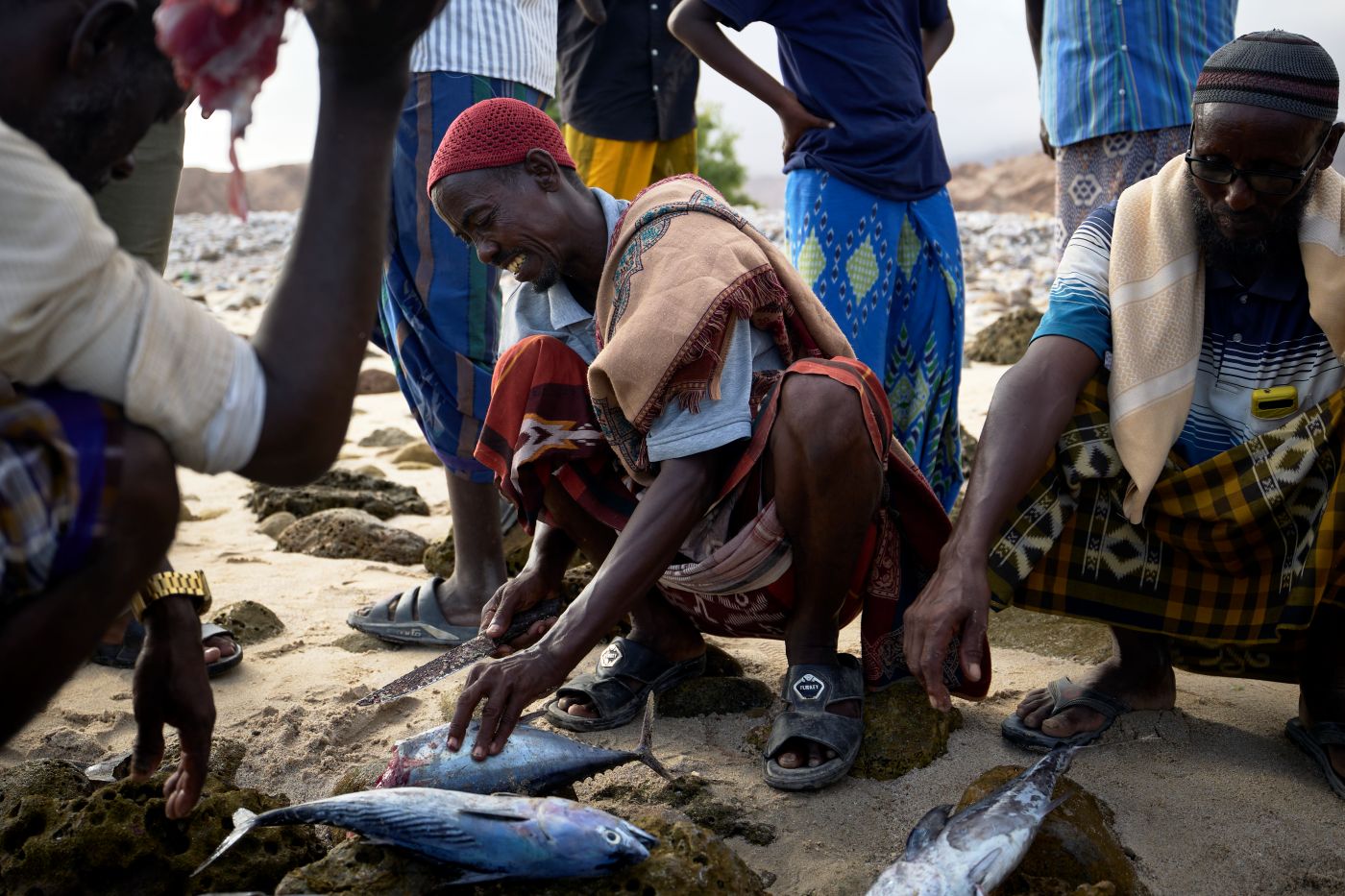
In the remote village of Buruc, Ali Osman chairs the community fishing cooperative. Since its inception in the 1990s, the Ambar Fishing Cooperative, with its 52 members, has weathered storms. With no roads to access the village, the community relies on boats to connect with the outside world. For most families, the ocean has not only been a lifeline, but a source of livelihood as well. Nearly half of the village’s residents are people displaced by the increasing hostilities in the north of the country since the beginning of the year. In 2022, the cooperative received support including boats, boat engines, fishing equipment and refrigerators to help preserve their daily catch.
Similar fishing support has extended for fishing communities along Somalia’s coastline including in Jubaland, Galmudug and Mogadishu. In 2025, a total of 50 people in Shangani, Banadir region, received support in the form cash to purchase refrigerators, grinders, grinders, jikos and business skills training and additional tools to help them as they wade the waters of livelihood.
Liban and his bumper harvest
@ICRC/Rahime Adan
The vast green stretch of central Somalia offers more than just a picturesque landscape; it feeds families.
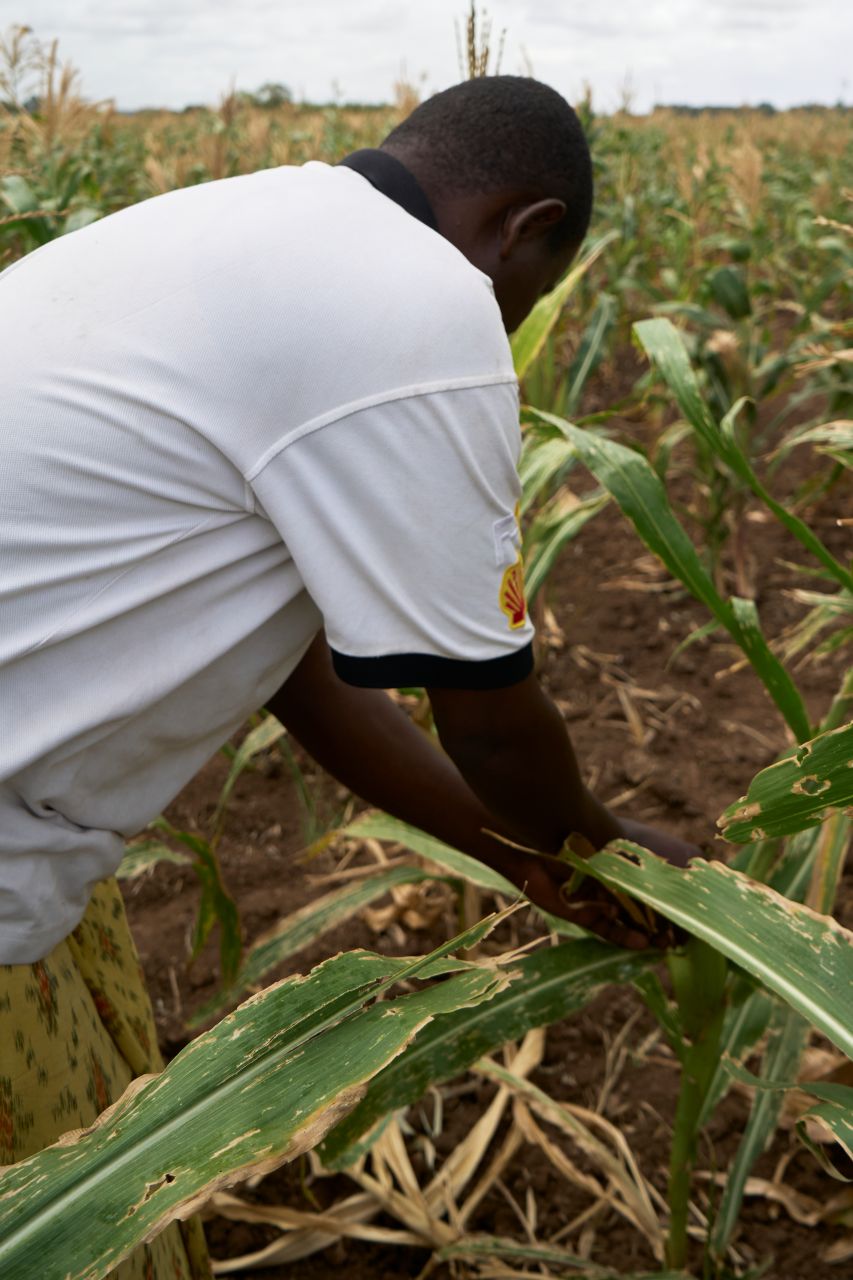
For 35-year-old Liban Mohamed of Baarey village in Jowhar, farming is all he has ever known. He has been tending to the soil since he was just 19 years old.
“The crops I harvest are used to feed the children,” he noted. “If necessary, I take them to the market and sell.”
Mid this year, the fields gave back, in full, and then some more. Nearly double maize harvests compared to the previous seasons, likely due to favourable weather conditions.
The ICRC supports the three agro-cooperatives in Beletweyne and Jowhar by providing training on producing quality seeds and buying back 50% of the cooperatives’ harvests to give back to the farmers for newer planting seasons.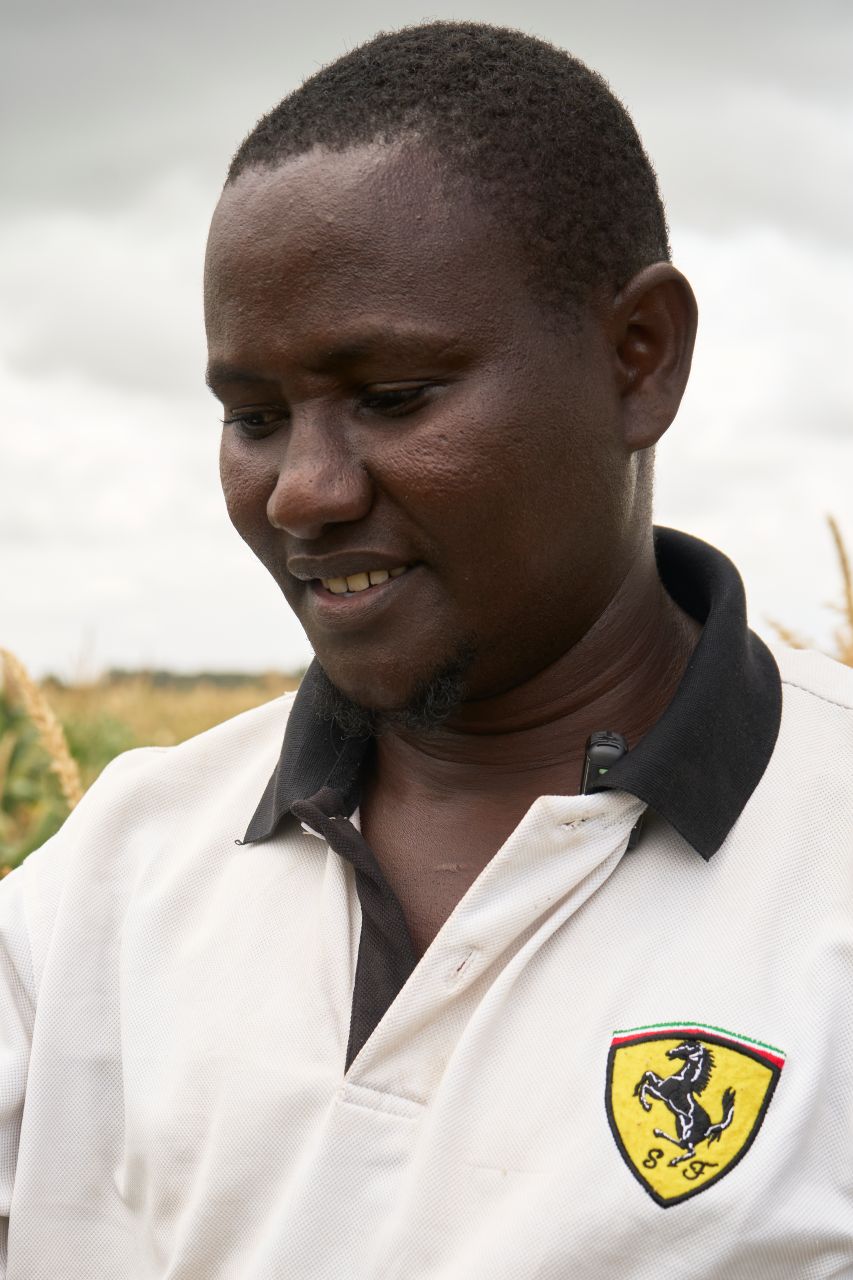
From the busy markets in Hamar, to the green plains of Jowhar and to the long stretches of blue waters in Buruc, these stories reflect a shared strength. Across Somalia, ICRC’s support goes beyond emergency assistance. It is about laying foundations for long-term recovery, helping families affected by conflict regain their footing and build back their lives.
Livelihood Support in Numbers
- Micro economic initiatives: 1,093 affected people were supported with business grants to restart or boost their businesses.
- Asset replacement: 300 families in the North were supported with 1,500 goats (5 goats per family).
- Fishing: 50 people were trained and given equipment.
- Beekeeping: 100 people supported
- Community animal health workers: 160 were trained to deliver quality veterinary services.
- Agro cooperatives: 3 cooperatives in Beletweyne and Jowhar were supported. In total, the cooperatives support 250 farmers.
- Fodder (animal feeder) support to 45 families